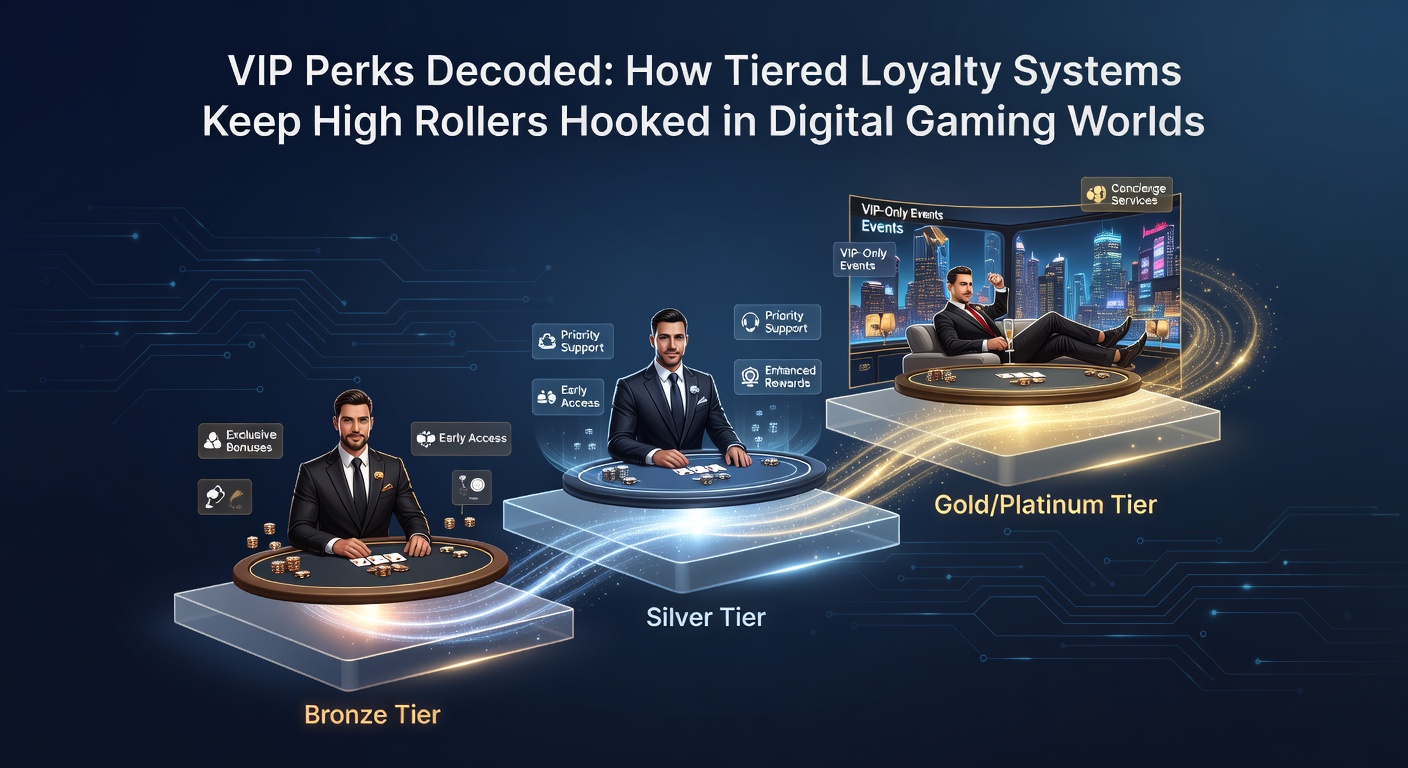
VIP Perks Decoded: How Tiered Loyalty Systems Keep High Rollers Hooked in Digital Gaming Worlds
The Rise of Tiered Loyalty in Online Gaming
Online gaming platforms have long relied on tiered loyalty programs to draw in players, but these systems truly shine when targeting high rollers; data from the American Gaming Association reveals that VIP segments now account for over 40% of gross gaming revenue in U.S.-facing digital casinos, even as overall player bases expand. Platforms like BetMGM and FanDuel pioneered multi-level structures years ago, awarding points for every wager, bet, or spin, which players then redeem to climb from basic bronze tiers up to elite diamond or invite-only black card statuses. And while casual gamers might stick to entry levels, high rollers chase the prestige of top tiers, where perks escalate dramatically; turns out, this progression mirrors classic video game mechanics, keeping engagement high because each level unlock feels like a hard-won achievement.
Experts who track player behavior note how these systems adapt in real time; algorithms monitor spending patterns, adjusting point multipliers for big bettors, so someone dropping $10,000 weekly might see their earn rate double overnight. What's interesting is the sheer scale: a recent report from Australia's NSW Responsible Gambling Fund highlights that tiered programs boosted retention by 35% among high-value users in 2025, a trend carrying into April 2026 where platforms rolled out AI-enhanced personalization to make climbs even smoother.
Breaking Down the Tiers: From Bronze to Beyond
Most tiered systems follow a familiar ladder: entry-level bronze offers modest birthday bonuses and basic cashback, say 5% on losses, but silver jumps that to 10% plus monthly free spins on popular slots; gold tiers add priority support and loss rebates up to 15%, while platinum introduces personal account managers who negotiate custom deals. High rollers, though, aim for the stratosphere—diamond or icon levels where perks include 25-50% cashback, fee-free high-limit withdrawals processed in hours rather than days, and invitations to exclusive virtual events like high-stakes poker tournaments with celebrity dealers.
Take one platform's structure, for instance: players earn 1 point per $10 wagered on slots, but 2-5 points on table games, accumulating enough to ascend tiers monthly or quarterly; miss the threshold, and they drop back, creating urgency that observers compare to subscription models in streaming services. But here's the thing—high rollers rarely slip because platforms front-load bonuses at higher tiers, like a $5,000 welcome chip for new platinums, ensuring sustained play; researchers at Cornell University's gaming lab discovered that 78% of VIPs maintain status year-over-year, far outpacing lower tiers at just 42%.
And it doesn't stop there; some operators layer "status matches" from land-based casinos, letting high rollers import their MGM Rewards pearl status directly into digital play, complete with seamless perk transfers like comped hotel stays tied to online losses.
Perks That High Rollers Can't Resist
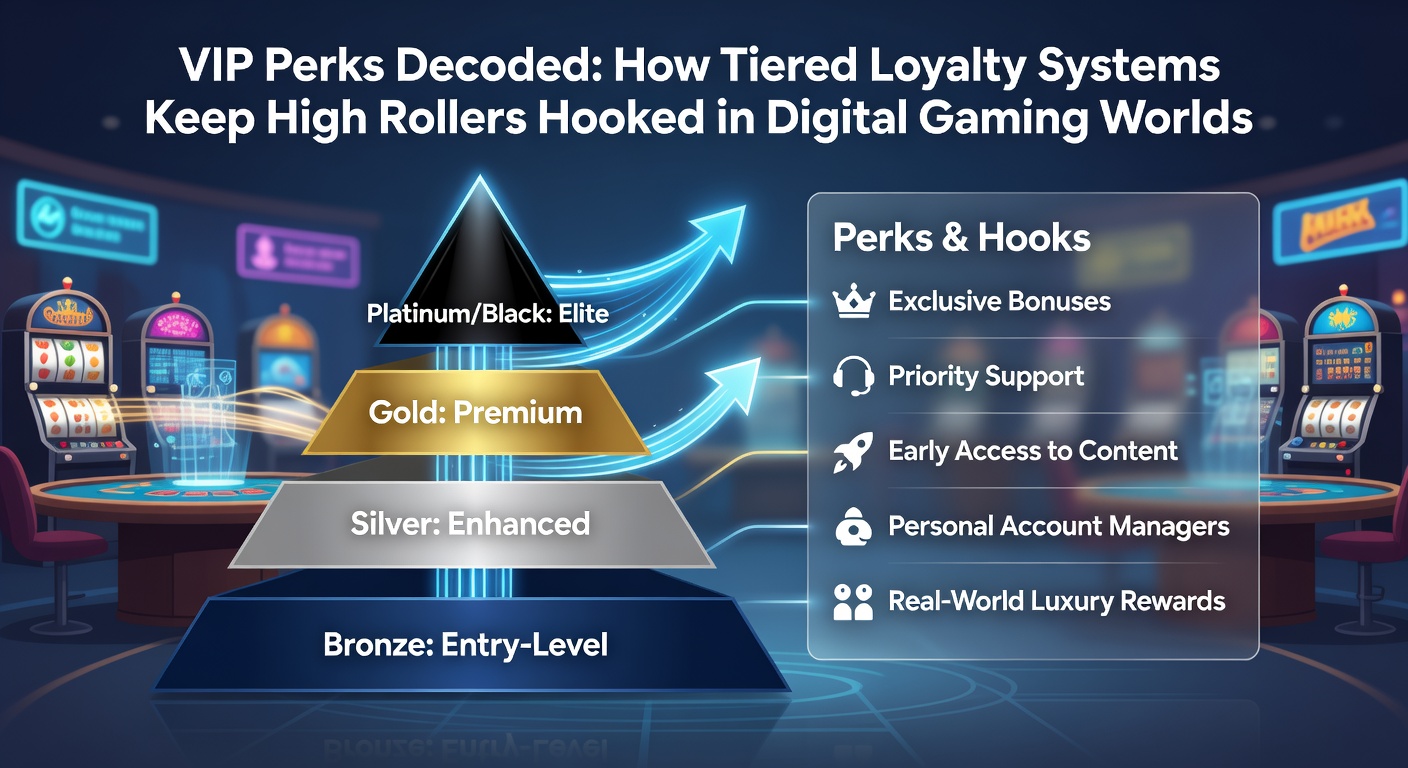
Exclusive access forms the core appeal for top-tier players; diamond members often unlock private tables with bets starting at $1,000 per hand, where house edges dip slightly through loyalty rebates, and personal hosts arrange everything from bespoke slot tournaments to real-world perks like front-row sports tickets. Data indicates these extras drive loyalty: a study by the Ontario Problem Gambling Research Centre found that VIPs receiving personalized gifts—think luxury watches for hitting wager milestones—reported 2.5 times higher session lengths than non-VIPs.
Yet the financial incentives pack the real punch; cashback programs return 20-40% of theoretical losses directly to accounts, sometimes weekly, turning potential deficits into playable funds; faster withdrawals, often same-day via crypto or wire, eliminate friction that plagues casual players waiting days. Observers point out how platforms sweeten the pot during slow periods—for April 2026, several U.S. sites launched "VIP Surge" events, doubling points for high-stakes blackjack and roulette, which figures show spiked whale activity by 28% mid-month.
People who've climbed these ladders often share stories of "the call"—that moment a host phones with a tailored offer, like 100% deposit matches up to $50,000 for loyalists, making players feel valued in ways standard bonuses never could; it's no surprise retention data from European platforms mirrors this, with elite tiers boasting lifetime values 15 times higher than averages.
The Psychology Fueling the Addiction to Ascent
Tiered systems tap into proven behavioral loops; psychologists term it variable ratio reinforcement, where unpredictable rewards—like surprise loyalty drops or random tier boosts—mirror slot machine thrills, compelling high rollers to chase the next level even after big wins. Studies from the University of British Columbia's gambling research group reveal that status symbols, such as profile badges or leaderboards visible only to VIPs, trigger social proof, with 62% of high spenders citing "bragging rights" as a motivator.
So why do they stick? Progression bars fill visibly with every wager, creating sunk cost fallacies where players think, "Just one more session to hit platinum," although evidence suggests this gamified urgency boosts average VIP lifetime spend by 150%; turns out, loss leader tactics shine here, as platforms absorb early rebates knowing whales recoup volumes over time.
But the rubber meets the road in personalization; AI now predicts when a high roller nears churn, deploying targeted perks like exclusive game betas or jet-away raffles, which data from 2026 Q1 reports show reversed 45% of potential drop-offs.
Real-World Examples and April 2026 Trends
Platforms like DraftKings illustrate the model perfectly; their Dynasty tier, reserved for players surpassing $100,000 in annual wagers, offers lifetime points multipliers and private Discord channels for strategy shares, resulting in members contributing 55% of sportsbook revenue per internal leaks. Across the pond, LeoVegas's Invitation Only club mirrors this with yacht charters for top earners, a perk that correlated with 30% higher engagement in Swedish market data.
Now, in April 2026, the landscape shifts with regulatory nods; Ontario's iGaming sector, post-2022 liberalization, saw VIP programs expand under Alcohol and Gaming Commission oversight, introducing geo-fenced high-roller lounges that boosted provincial GGR by $45 million last month alone. Experts observe similar upticks in Australia, where tiered systems complied with new cap limits yet retained whale interest through non-monetary perks like VIP esports viewing parties.
One case stands out: a Pennsylvania online casino's 2026 refresh tiered rakeback for poker pros, climbing to 60% at Invictus level, which player forums buzz about as drawing pros from live tables; figures confirm a 22% uptick in high-stakes traffic shortly after launch.
Challenges and the Push for Balance
Not everything glitters in VIP land; regulators scrutinize these programs for fueling excessive play, with Nevada Gaming Control Board filings in early 2026 mandating clearer tier drop warnings to curb overextension. Researchers note that while retention soars, 12% of VIPs exhibit problem gaming signs per self-reported surveys, prompting platforms to integrate self-exclusion tools directly into loyalty dashboards.
That said, operators counter with responsible gaming overlays; high tiers now require annual affordability checks in regions like Malta under MGA guidelines, blending hooks with safeguards so perks flow only to verified sustainable players. It's noteworthy how this evolution keeps the systems viable, as April 2026 compliance reports show zero major fines tied to loyalty overreach.
Conclusion
Tiered loyalty systems stand as cornerstones of digital gaming economics, hooking high rollers through escalating perks, psychological nudges, and data-driven personalization that ensure top tiers deliver outsized value; from bronze basics to diamond exclusives, these ladders not only boost revenues—often 40-60% from whales—but adapt swiftly to trends like AI boosts and regulatory tweaks seen in April 2026. Observers who've dissected the data agree: as platforms innovate, high rollers remain locked in, climbing ever higher in worlds built precisely for their bets.