Updated Payment Integrations Lead to Navigation Changes in Wagering Applications
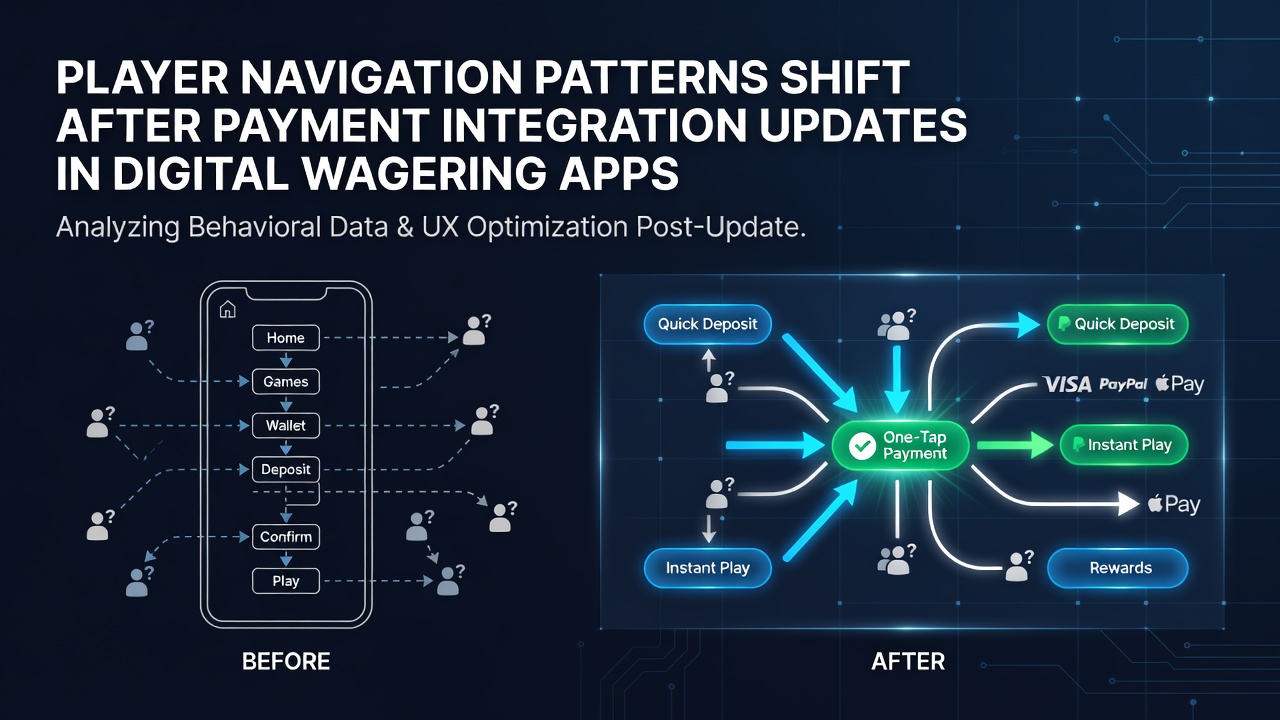
Payment integration updates in digital wagering apps have prompted measurable adjustments in how users navigate through deposit screens, account dashboards, and game selection areas, according to industry analytics from August 2026. Data compiled across multiple platforms shows that players spend more time reviewing transaction confirmations and fewer seconds on initial lobby pages once streamlined payment options appear. These patterns emerge consistently in both iOS and Android environments where developers incorporated new gateways for faster processing.
Observed Shifts in User Pathways
Analytics firms tracking mobile app behavior report that users now follow longer routes to reach live betting sections after payment updates rolled out in early 2026. Instead of direct taps from the home screen, individuals often pause at verification steps introduced by enhanced security layers in the new systems. This detour adds an average of three additional clicks per session, though completion rates for deposits have risen in regions where instant bank transfers operate reliably.
Experts monitoring heatmaps note concentrated activity around balance refresh indicators that update in real time following each transaction. In contrast, older navigation trails that led straight to slot or table game carousels show reduced engagement density. One study from the University of Nevada's gaming research division found that users in tested apps revisited the payment hub 27 percent more frequently within a single session when compared to pre-update baselines.
Regional Data Patterns and Timing
Reports compiled in August 2026 highlight variations by market. Australian operators documented quicker exits from the app after successful deposits, while Canadian platforms recorded extended browsing periods in promotional sections tied directly to the payment flow. European data aggregated by the European Gaming and Betting Association indicates similar trends, with users in regulated markets exhibiting steadier navigation once multi-currency support stabilized post-update.
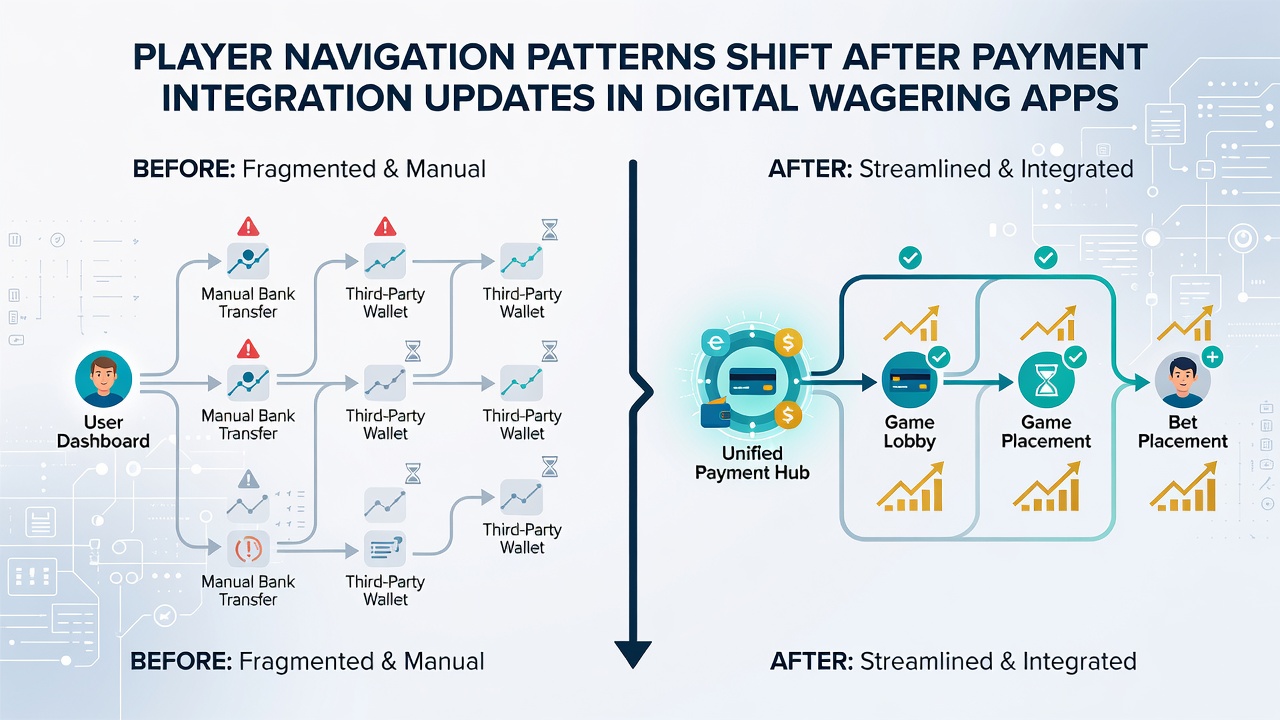
These changes coincide with the addition of features such as one-tap withdrawals and saved payment profiles, which redirect attention away from repeated login sequences. Observers note that the rubber meets the road in the transition from account setup to actual play, where friction points have decreased but exploratory clicks have increased around new menu items.
Impact on Retention and Session Duration
Session length metrics collected through August 2026 reveal modest extensions in time spent within apps that completed payment refreshes. Users who complete a deposit now linger an average of 14 minutes longer before exiting, largely due to integrated balance displays that encourage further exploration. Research indicates that retention curves flatten less sharply in the first 48 hours after a transaction when payment history appears prominently in the navigation bar.
Platform operators have adjusted menu hierarchies to accommodate these behaviors, placing quick-access buttons for recent transactions near core game categories. Figures from multiple vendors show that this repositioning reduces bounce rates on secondary pages by aligning user expectations with the updated payment visibility.
Conclusion
Payment integration updates continue to influence navigation habits across digital wagering applications as operators refine interfaces based on August 2026 performance data. Patterns documented through heatmaps and session tracking demonstrate consistent reallocations of user attention toward transaction-related elements while preserving overall engagement levels in core gaming areas. These adjustments reflect ongoing adaptations in how platforms structure user journeys following technical enhancements.