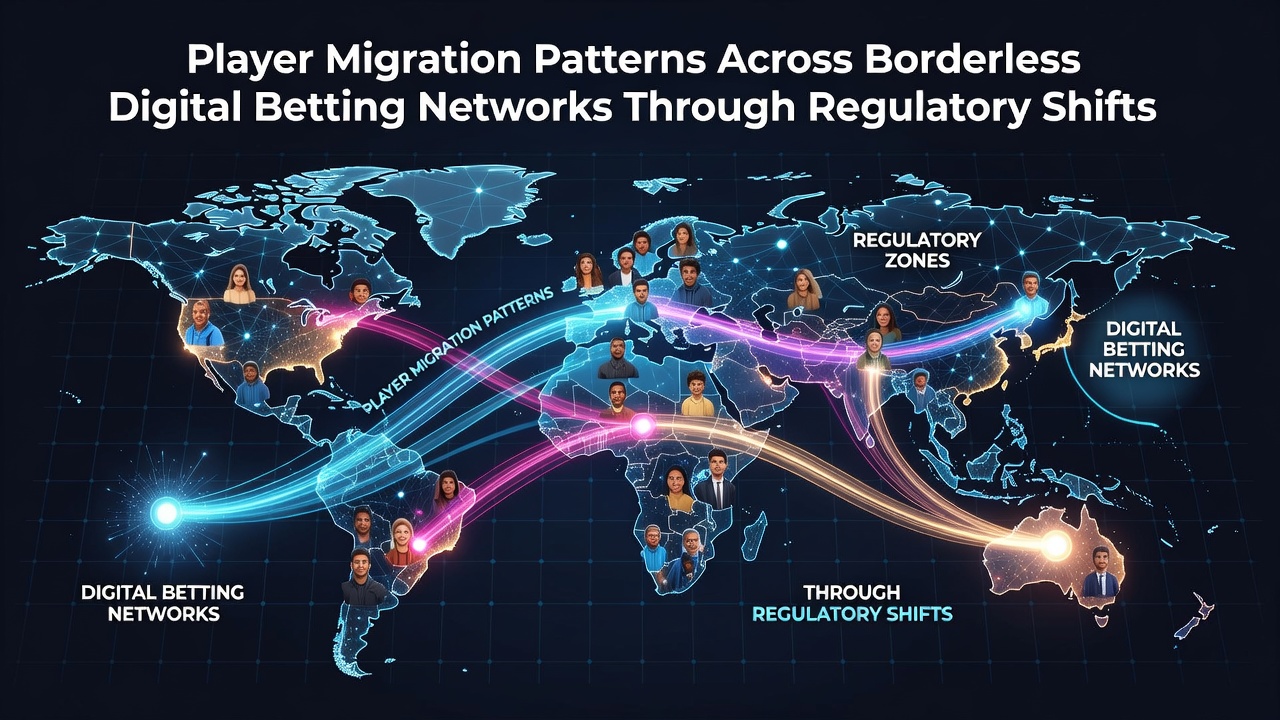
Regulatory Shifts Fueling Player Migration in Borderless Digital Betting Networks
Regulatory changes across multiple jurisdictions have prompted noticeable shifts in how participants move between digital betting platforms, and data from industry trackers show patterns emerging since early 2025. Platforms operating without fixed geographic boundaries respond quickly when new licensing rules appear in one region, and users often follow the availability of familiar games or payment options. Analysts at research firms note that these movements accelerate whenever authorities tighten verification requirements or adjust tax rates on operator revenues.
Key Drivers Behind Recent Movements
One major factor involves differing approaches to licensing digital operators, and jurisdictions that introduce streamlined approval processes attract activity from neighboring areas with stricter entry barriers. Reports compiled by groups such as the Canadian Gaming Association highlight increased sign-ups on platforms based in provinces that updated their frameworks in late 2025, while activity dipped in regions maintaining older restrictions. Payment processor policies also play a role, since changes in how banks handle cross-border transfers can redirect users toward networks that support alternative methods like e-wallets or cryptocurrencies.
Studies tracking user behavior through anonymized account data reveal that participants frequently test new platforms when their primary site faces temporary outages or compliance delays, and these trial periods sometimes turn permanent. August 2026 figures from several monitoring services indicate that migration spikes coincided with announcements from Australian authorities regarding updated responsible gambling mandates, prompting users to explore platforms licensed elsewhere in the Asia-Pacific region.
Observed Patterns Across Regions
Data collected by European betting associations show that users from countries implementing deposit caps often shift toward networks headquartered in areas without such limits, although many maintain accounts in multiple locations simultaneously. This multi-homing behavior appears common among frequent participants who compare odds or promotions across borders. In North America, state-level decisions on online wagering have created similar flows, with activity moving toward operators that quickly secure approvals in newly opened markets.
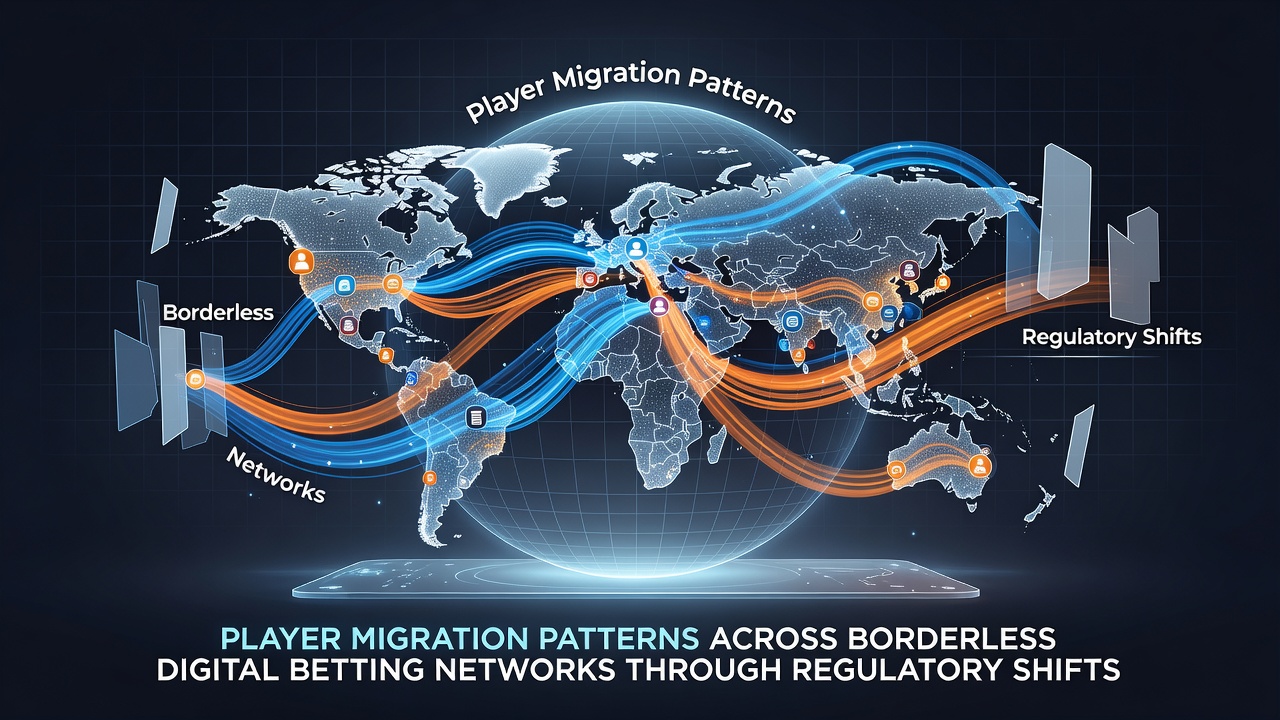
Researchers examining transaction logs find that regulatory announcements produce immediate but short-lived spikes, after which patterns stabilize until the next policy update. Platforms that offer seamless account transfers or loyalty program continuity retain more users during these transitions, according to internal metrics shared in industry briefings. Observers note that language support and localized payment rails influence final destination choices, particularly when users cross from one regulatory zone to another.
Impact of Specific Policy Updates
Changes in taxation structures have driven some of the clearest movements, and operators passing along higher costs see users explore lower-fee alternatives on networks licensed under different rules. A report issued by the Australian Institute of Gambling Research documented how adjustments in New South Wales licensing fees correlated with increased activity on platforms registered in other Australian states during the first half of 2026. Similar dynamics appear in parts of Latin America where new national frameworks replaced patchwork state rules.
Security and compliance requirements also factor into decisions, since stricter identity checks in one jurisdiction can slow account creation and push users toward networks with faster onboarding. Those who study these networks report that participants often return to original platforms once issues resolve, yet a portion establish ongoing use of secondary sites. This layered engagement pattern complicates efforts to measure net migration volumes accurately.
Conclusion
Borderless digital betting networks continue to experience player redistribution tied directly to regulatory developments, and ongoing monitoring by trade organizations and academic centers provides the clearest view of these flows. As additional jurisdictions finalize their approaches throughout 2026 and beyond, the same data sources will track whether current patterns persist or give way to new configurations.