
Regional Policy Evolutions Reshaping Bonus Incentives Across Virtual Casino Platforms
Data from multiple jurisdictions shows that regulatory updates in 2025 and into August 2026 continue to alter how operators structure welcome bonuses, loyalty rewards, and deposit matches in virtual casino environments, with North American and European markets experiencing the most pronounced adjustments.
North American Regulatory Adjustments
State-level frameworks in the United States have introduced new caps on bonus values while Canadian provinces refined their iGaming licensing rules, and these shifts force platforms to recalibrate promotional offers to maintain compliance. Observers note that operators in regulated markets often reduce the size of no-deposit incentives or attach stricter wagering requirements when new consumer protection clauses take effect.
Figures released by the National Conference of State Legislatures indicate that several states expanded oversight of bonus advertising during 2025, requiring clearer disclosure of terms and conditions. Those changes prompted many platforms to replace flat-rate deposit bonuses with tiered structures that scale according to player activity levels rather than fixed amounts.
European Market Developments
Across the European Union, member states implemented updated consumer protection directives that limit the frequency of promotional emails and restrict bonus offers targeted at new accounts, and these measures directly influence how virtual casino sites present their incentive packages. Research from the European Gaming and Betting Association documents a measurable decline in average bonus percentages offered in several countries following the rollout of these directives.
Platforms operating in multiple EU jurisdictions responded by creating region-specific landing pages that adjust bonus terms based on local rules, which allows them to stay within legal boundaries while still attracting users. Data shows that free spin quantities attached to deposits dropped in certain markets where regulators flagged excessive promotional intensity as a risk factor.
Asia-Pacific Policy Influences
Australian and New Zealand regulators introduced additional reporting requirements for loyalty programs in 2026, and these requirements prompted operators to modify how they award points and redeemable incentives on browser-based and app-based platforms. Industry reports reveal that virtual casino operators in these regions shifted emphasis toward cashback-style rewards instead of upfront deposit matches to align with emerging guidelines.
Meanwhile, several Southeast Asian jurisdictions tightened rules around cross-border promotional campaigns, leading some global brands to segment their bonus offerings by user location. Those adjustments reduced the availability of certain international bonus codes while increasing localized promotions that comply with domestic standards.
Effects on Specific Incentive Types
Deposit match percentages faced the steepest reductions in tightly regulated zones, whereas free spin allocations often remained stable but carried higher playthrough thresholds. Loyalty tier benefits also changed, with some programs extending the time required to reach higher reward levels after new activity tracking mandates were introduced.
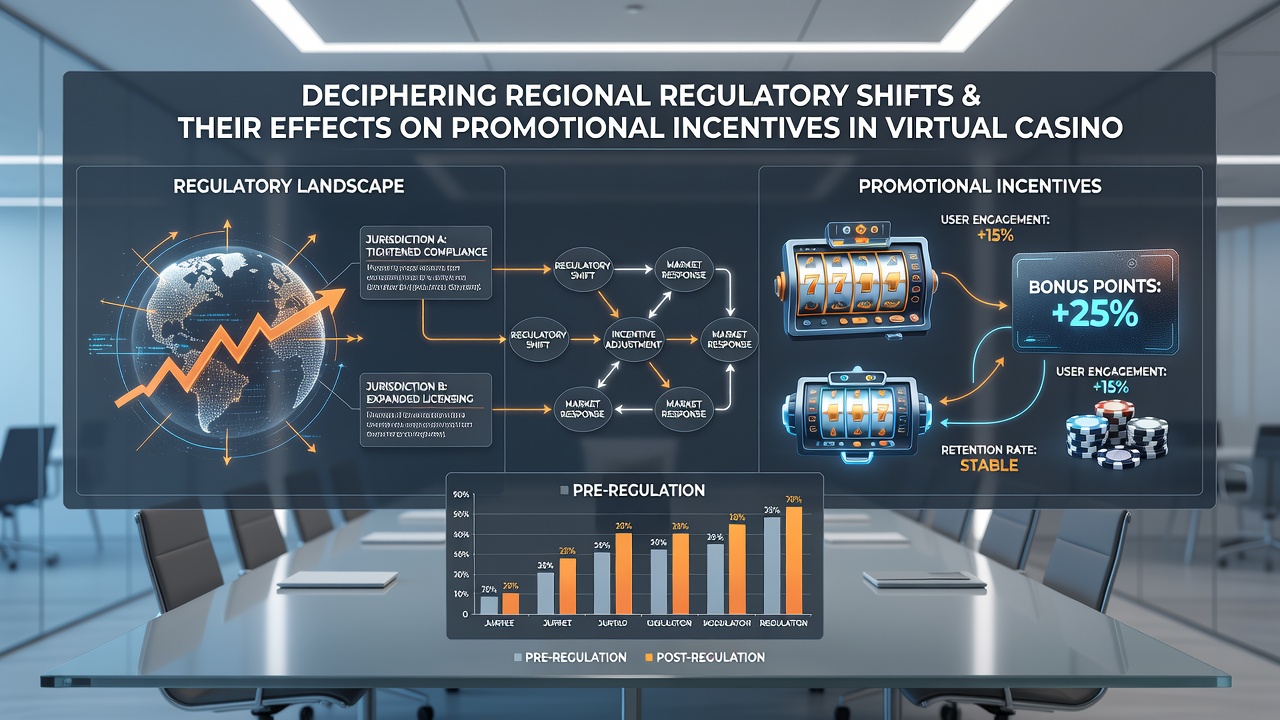
Operators tracked these patterns through internal analytics that compared pre- and post-regulation bonus redemption rates, and the results guided subsequent redesigns of promotional calendars. Evidence suggests that platforms maintaining flexible backend systems adapted faster than those relying on rigid global templates.
Operational Responses from Platforms
Many virtual casino groups invested in compliance teams tasked with monitoring regional updates in real time, which enabled quicker revisions to terms and conditions displayed to users. These teams coordinate with legal advisors to ensure that every active promotion meets the latest local criteria before launch.
Some operators introduced geo-fenced bonus engines that automatically apply the correct incentive set based on detected user location, and this technical approach minimized accidental violations while preserving competitive offerings in less restrictive markets. Figures from industry tracking services show increased spending on such technology during the first half of 2026.
Conclusion
Regional regulatory shifts continue to drive measurable changes in how promotional incentives appear within virtual casino ecosystems, and operators that monitor policy developments across jurisdictions maintain clearer pathways for compliance. Data indicates that bonus structures will keep evolving as new rules emerge in different parts of the world, with platforms adjusting deposit matches, free spins, and loyalty features to match local requirements. Those adaptations reflect ongoing efforts to balance regulatory demands with user engagement strategies across digital gambling platforms.