Referral Systems Create Exponential Growth in Digital Wagering Ecosystems
Referral programs in digital wagering have expanded user bases through structured incentive layers that reward both new sign-ups and existing participants, and data from industry reports show these mechanisms often produce compounding acquisition rates. Platforms integrate shareable links with bonus credits or cashback tiers that activate once referred users complete deposits and place initial wagers, creating measurable chain effects documented across multiple markets.
Mechanics Behind Referral Acceleration
Operators design multi-tier rewards where a referrer earns ongoing percentages from a new user's activity while the referred player receives an immediate deposit match, and this dual structure encourages repeated sharing through social channels and messaging apps. Studies from research institutions such as the University of Nevada's gaming analytics group indicate that referral-driven acquisitions can reach 25 to 40 percent of total monthly sign-ups on mature platforms, particularly when combined with mobile-optimized sharing tools.
August 2026 saw several North American operators release quarterly figures that highlighted referral contributions exceeding 30 percent of net new accounts, according to aggregated data released through the American Gaming Association's digital sector summaries. These numbers reflect patterns where one successful referral frequently triggers secondary and tertiary sign-ups as users forward their own bonus codes within personal networks.
Network Effects in Practice
Digital wagering environments benefit from low-friction sharing because users interact daily through apps that embed referral prompts directly into account dashboards, and analysts at the European Gaming and Betting Association have tracked how these prompts convert at rates two to three times higher than standard advertising campaigns. The process forms self-reinforcing loops: satisfied participants share links after winning sessions, new users join and replicate the behavior, and overall platform activity scales without proportional increases in paid media spend.
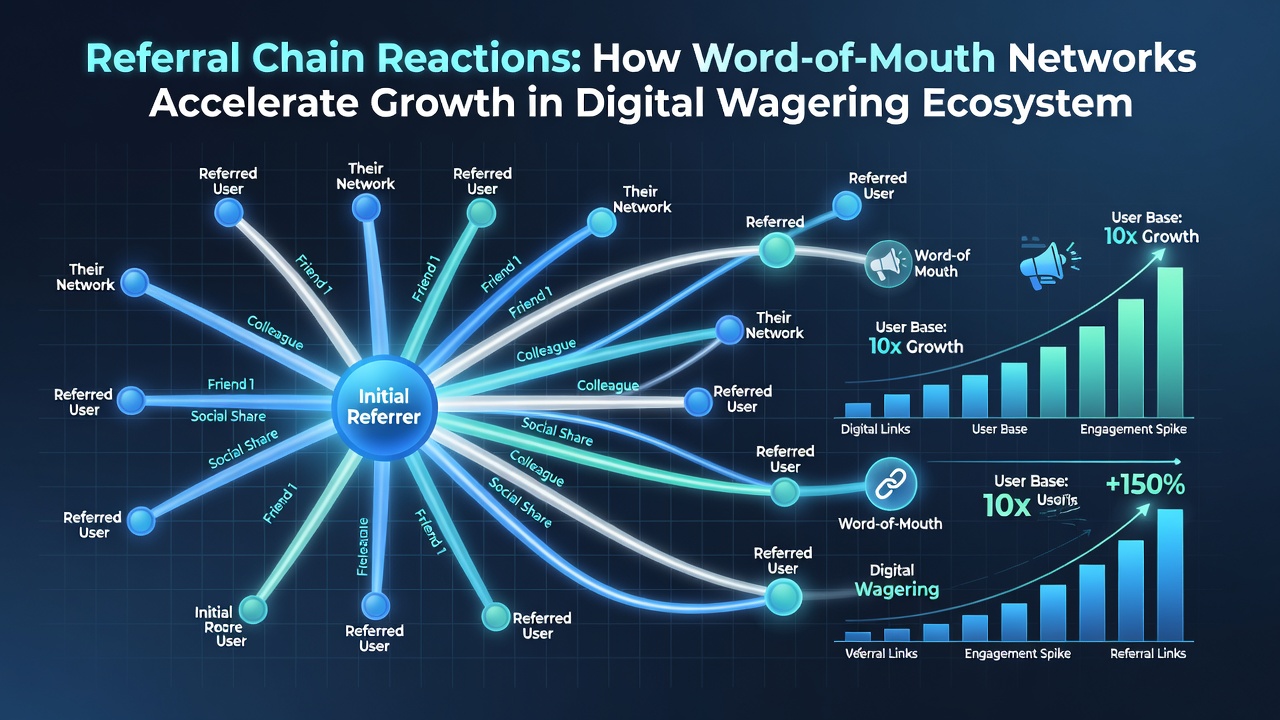
One documented case involved a mid-sized operator in the Canadian market that introduced a tiered referral ladder in early 2025, after which monthly active users grew by 62 percent within nine months while customer acquisition costs dropped by nearly half, per internal metrics shared with regulatory filings in Ontario. Similar outcomes appear in reports from the Australian Communications and Media Authority, where platforms utilizing referral multipliers recorded sustained retention improvements among referred cohorts compared with users acquired through paid channels.
Data Patterns Across Regions
Figures released by the Interactive Gaming Council in mid-2026 reveal that referral programs account for an average 28 percent of total player acquisition across surveyed international operators, with higher concentrations in markets that permit affiliate-style reward structures. These programs often incorporate time-limited multipliers during promotional windows, such as the summer events observed in August 2026, which correlated with temporary spikes in chain length as users competed for leaderboard bonuses tied to referral volume.
Geographic differences emerge clearly in the data, whereas European platforms emphasize cashback tiers that extend over multiple months, North American sites frequently favor instant bonus credits that accelerate initial sharing velocity. Both approaches demonstrate comparable long-term network growth when measured by total referred deposit volume rather than first-month metrics alone.
Technical and Regulatory Influences
Platform developers embed tracking pixels and unique identifiers that attribute every downstream wager back to the original referrer, allowing operators to calculate lifetime value contributions and adjust payout schedules accordingly. Regulatory frameworks in jurisdictions like New Jersey and Michigan require clear disclosure of these tracking methods, yet they permit the underlying mechanics provided operators maintain audit trails that satisfy state gaming control board standards.
Observers note that successful implementations limit abuse through verification steps such as device fingerprinting and deposit confirmation thresholds, which prevent artificial chain inflation while preserving genuine word-of-mouth momentum. Data from these controlled systems continue to feed algorithmic refinements that predict which users will generate the longest referral sequences based on past engagement patterns.
Conclusion
Referral chain reactions have become a core growth engine for digital wagering platforms, supported by measurable acquisition percentages, retention differentials, and cost efficiencies documented across regulatory filings and industry associations. Continued refinement of incentive structures, combined with regional regulatory clarity, sustains these network effects as operators expand into additional markets throughout 2026 and beyond.