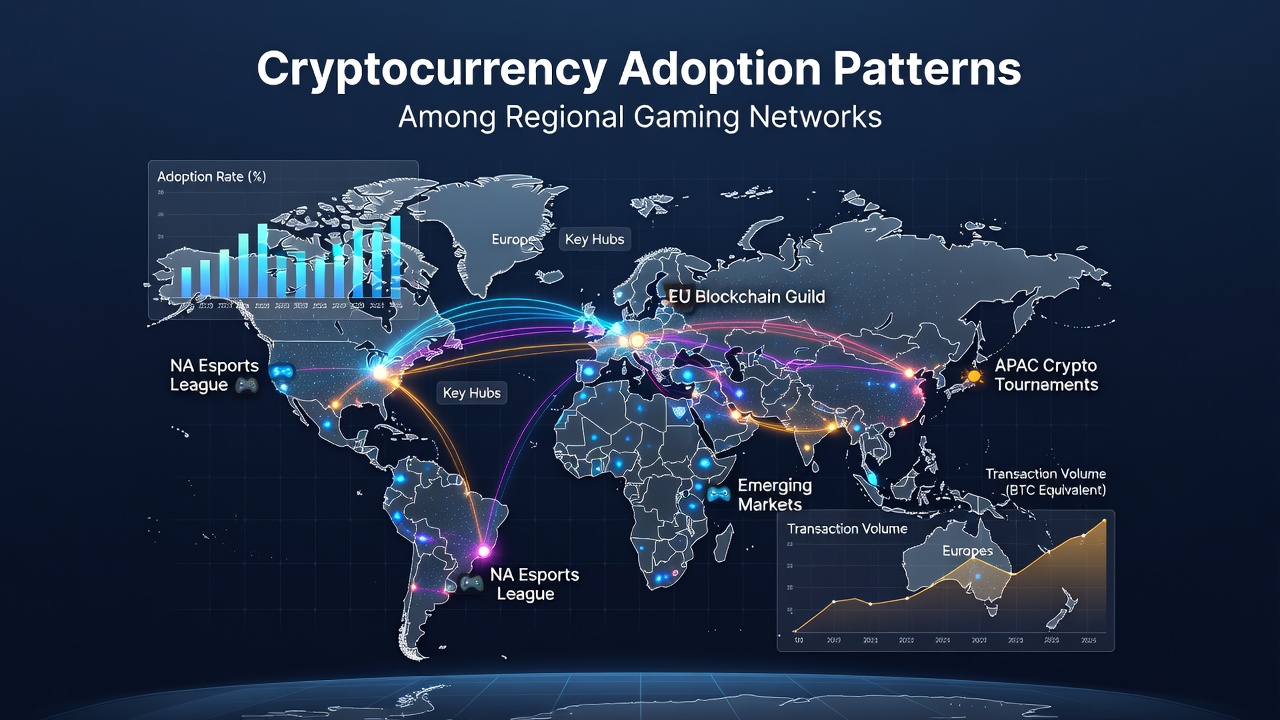
Mapping Crypto Uptake Across Localized Gaming Clusters Worldwide
Regional gaming networks have integrated cryptocurrency at different speeds since the early 2020s, and observers note distinct patterns tied to local regulations, infrastructure, and player demographics. Data from multiple jurisdictions shows that adoption often clusters around areas with established digital payment rails while lagging in regions where traditional banking systems dominate transaction volumes.
North American clusters, particularly in states with legalized online wagering, recorded steady increases in crypto deposits through 2025, yet figures reveal uneven distribution between urban hubs and rural networks. Meanwhile, Asia-Pacific gaming communities accelerated uptake after several platforms introduced stablecoin options, and this shift aligned with broader digital asset acceptance in cross-border remittances.
North American Regional Patterns
Canadian provinces such as Ontario and British Columbia established clear licensing frameworks for crypto-enabled gaming operators by late 2024, which allowed platforms to report measurable growth in wallet-based transactions. Studies from research institutions indicate that these provinces saw crypto account for approximately 12 percent of total deposits by the first quarter of 2026, while neighboring regions without similar rules maintained lower percentages.
US tribal gaming networks present a contrasting picture where some operators adopted blockchain solutions for player rewards, and others maintained cash-heavy systems due to varying state compacts. Researchers discovered that networks connected to larger metropolitan areas integrated faster because existing technology partners already supported crypto rails, whereas isolated facilities progressed more gradually.
Asia-Pacific Adoption Trends
Several Southeast Asian jurisdictions expanded crypto gaming access through partnerships with regional exchanges, and this development coincided with rising smartphone penetration rates among younger demographics. Government data from Singapore's Monetary Authority shows that licensed platforms recorded a 28 percent rise in cryptocurrency-linked activity between January and June 2026, driven largely by esports betting segments.
Australian operators followed a parallel trajectory after the Australian Securities and Investments Commission clarified digital asset guidelines for wagering firms, which reduced compliance uncertainty and encouraged broader integration. Observers note that these changes produced higher transaction volumes in states with dense urban gaming populations compared with remote territories.
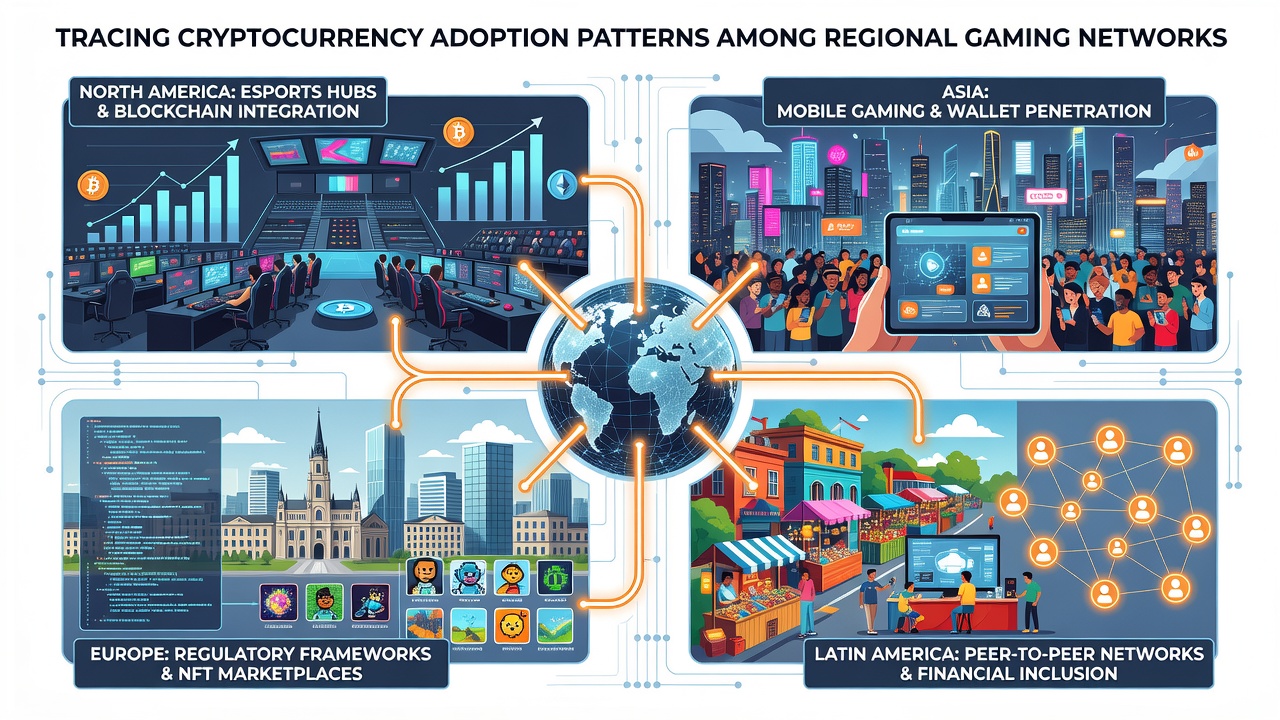
European and Latin American Developments
European gaming markets outside the United Kingdom demonstrated varied adoption curves, with Malta's regulatory environment supporting early crypto experiments that later influenced neighboring jurisdictions. Reports compiled by the European Gaming and Betting Association highlight that operators in the Mediterranean region processed higher volumes of stablecoin transactions than their Central European counterparts during the same period.
Latin American networks, especially in Brazil and Mexico, experienced rapid crypto uptake after local currencies faced volatility pressures, prompting players to seek alternative payment methods. Academic analyses from regional universities found that these shifts concentrated among mobile-first users who already navigated informal digital economies, creating self-reinforcing adoption loops within specific gaming communities.
Key Drivers and Infrastructure Factors
Infrastructure availability remains a primary determinant across all examined regions, because networks with reliable internet connectivity and established crypto exchanges recorded faster integration. Regulatory clarity further accelerates the process, as evidenced by jurisdictions that issued specific guidance on digital asset handling within gaming licenses.
Player demographics also shape outcomes, since younger cohorts demonstrate greater comfort with wallet management and decentralized finance tools, while older segments continue relying on conventional banking channels. Industry reports compiled in mid-2026 illustrate these generational divides persisting across multiple continents despite overall growth in crypto-enabled platforms.
Conclusion
Patterns of cryptocurrency adoption within regional gaming networks continue to evolve according to local regulatory landscapes, technological readiness, and demographic preferences. Data compiled through June 2026 indicates sustained but uneven progress, with leading clusters advancing through stablecoin infrastructure while others proceed at measured paces dictated by existing financial systems. Continued monitoring from regulatory bodies and research organizations will clarify how these regional differences develop in subsequent periods.