
Licensing Policy Updates Ignite Cross-Border Player Flows in Digital Wagering Industry
Regulatory adjustments across multiple jurisdictions have prompted noticeable player transfers among international online wagering platforms throughout 2026, with data from industry tracking services showing accelerated movement during the summer months. Operators in Europe and Asia-Pacific regions reported the sharpest changes, as new licensing frameworks took effect and altered operational requirements for digital betting services.
European authorities introduced revised compliance standards in several member states earlier this year, requiring platforms to meet updated technical and financial thresholds before retaining or expanding their licenses. Players responded by migrating toward operators that secured approvals under the new rules, while sites facing delays or rejections saw account activity decline. Australian regulators similarly updated their licensing criteria in the second quarter, emphasizing stricter player protection measures and data reporting obligations that forced some providers to adjust their offerings or exit certain markets entirely.
Regional Shifts and Market Responses
Canadian provinces rolled out coordinated licensing expansions in July 2026 that opened additional channels for legal online wagering, drawing participants from jurisdictions where prior restrictions remained in place. Figures released by provincial gaming bodies indicated a 14 percent increase in registered accounts on newly licensed platforms within the first six weeks of implementation. Observers noted that many of these new users had previously maintained accounts on offshore sites operating without local authorization, and they transferred balances once domestic options became available.
Meanwhile, regulatory tightening in parts of Latin America prompted operators to consolidate operations or partner with established international groups holding multi-jurisdictional licenses. Research compiled by the European Gaming and Betting Association documented corresponding rises in player registrations on platforms holding licenses from multiple European and Asian authorities during this period.
Data Patterns Emerging in August 2026
Analytics from platform monitoring services revealed distinct patterns by August 2026. Players demonstrated preferences for sites that offered seamless cross-border account management and accepted multiple licensing certifications, allowing continued access even when individual jurisdictions adjusted their rules. One study tracking deposit and withdrawal volumes across 47 major platforms found that operators with diversified license portfolios retained 23 percent more active users compared to those relying on single-market approvals.
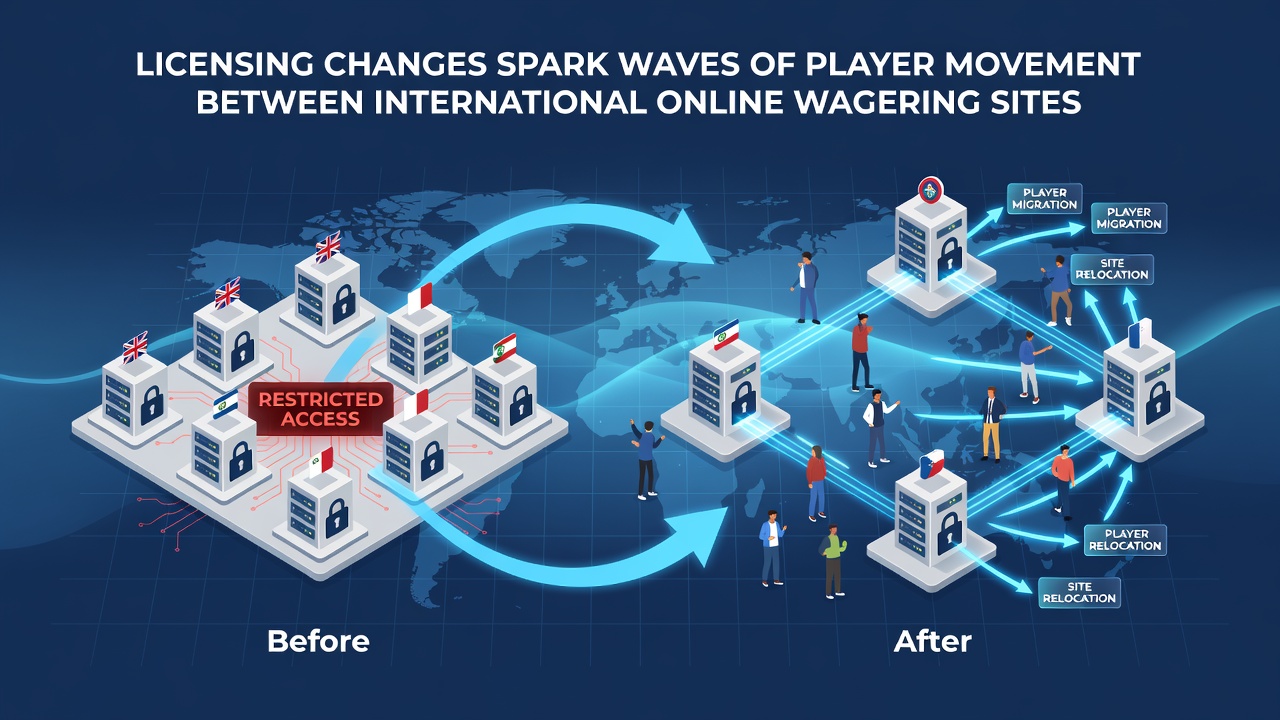
Payment processing capabilities also factored into movement decisions. Jurisdictions that mandated integration with local banking systems saw some players shift toward operators already compliant with those requirements, while others sought platforms maintaining broader international payment partnerships. Industry reports highlighted that sites updating their license status promptly experienced quicker stabilization of user bases, whereas delays correlated with temporary drops in activity.
Operator Strategies and Player Behavior
Companies responded by pursuing additional licenses in secondary markets or forming alliances with locally licensed entities. This approach allowed them to maintain service continuity for users who might otherwise migrate elsewhere. Tracking data showed that platforms announcing new license acquisitions in July and August 2026 recorded immediate upticks in account transfers from competitors operating under older or narrower regulatory frameworks.
Academic analyses from research institutions studying digital gambling markets have identified similar migration trends following previous licensing overhauls in 2023 and 2024. Those patterns indicated that once initial adjustments concluded, overall market participation tended to stabilize at higher levels than before the regulatory changes, with players favoring operators demonstrating long-term compliance stability.
Payment method availability and bonus structures adapted to new licensing conditions further influenced choices, though core platform functionality remained a primary driver. Users frequently compared license verification status listed on operator websites before initiating transfers, according to surveys conducted by independent market research firms.
Conclusion
The wave of licensing updates through mid-2026 has reshaped player distribution across international online wagering platforms, with measurable shifts documented in registration and activity metrics from multiple regions. Continued monitoring by regulatory bodies and industry associations will determine whether these movements represent temporary adjustments or longer-term realignments in the global market structure.