
How Virtual Reality Features Are Reshaping Interaction Patterns Among Users of Browser-Based Wagering Platforms
Browser-based wagering platforms have started incorporating virtual reality elements through WebXR standards and compatible headsets that users access directly via standard web browsers without dedicated applications, and this shift has altered how participants connect with each other during sessions. Data from industry reports indicate that adoption rates for these VR features increased notably between 2024 and 2026 as browser technology improved rendering speeds and reduced latency issues that previously limited real-time interactions.
Technological Foundations Driving VR Integration
Platforms achieve VR functionality by leveraging HTML5 canvases combined with JavaScript libraries that render three-dimensional environments where users manipulate avatars and navigate virtual casino floors or betting tables, while the same browser session handles secure transactions and live data feeds. Researchers at institutions tracking digital entertainment trends have documented how these setups allow seamless transitions between desktop viewing and full immersion when a headset connects, creating hybrid participation modes that accommodate varying levels of hardware access among users worldwide.
Developments reported as of May 2026 show several major browser wagering sites expanded their VR toolkits to include spatial audio and gesture recognition that respond to hand controllers or even webcam inputs, which in turn supports more natural movement within shared spaces. Observers note that this browser-centric approach differs from app-only VR systems because it lowers entry barriers for casual participants who prefer not to download additional software yet still experience synchronized group activities like live dealer games or multiplayer tournaments.
Shifts in Social and Communal Interaction Patterns
Interaction patterns have evolved as VR environments enable users to see and gesture toward one another through customizable avatars that display real-time reactions during betting rounds or shared events, and this visual layer replaces the text-chat limitations common in traditional browser interfaces. Studies from academic sources reveal that participants in VR-enabled sessions tend to form longer-lasting connections because avatar proximity and body language cues foster a sense of presence that text or 2D video streams rarely achieve.
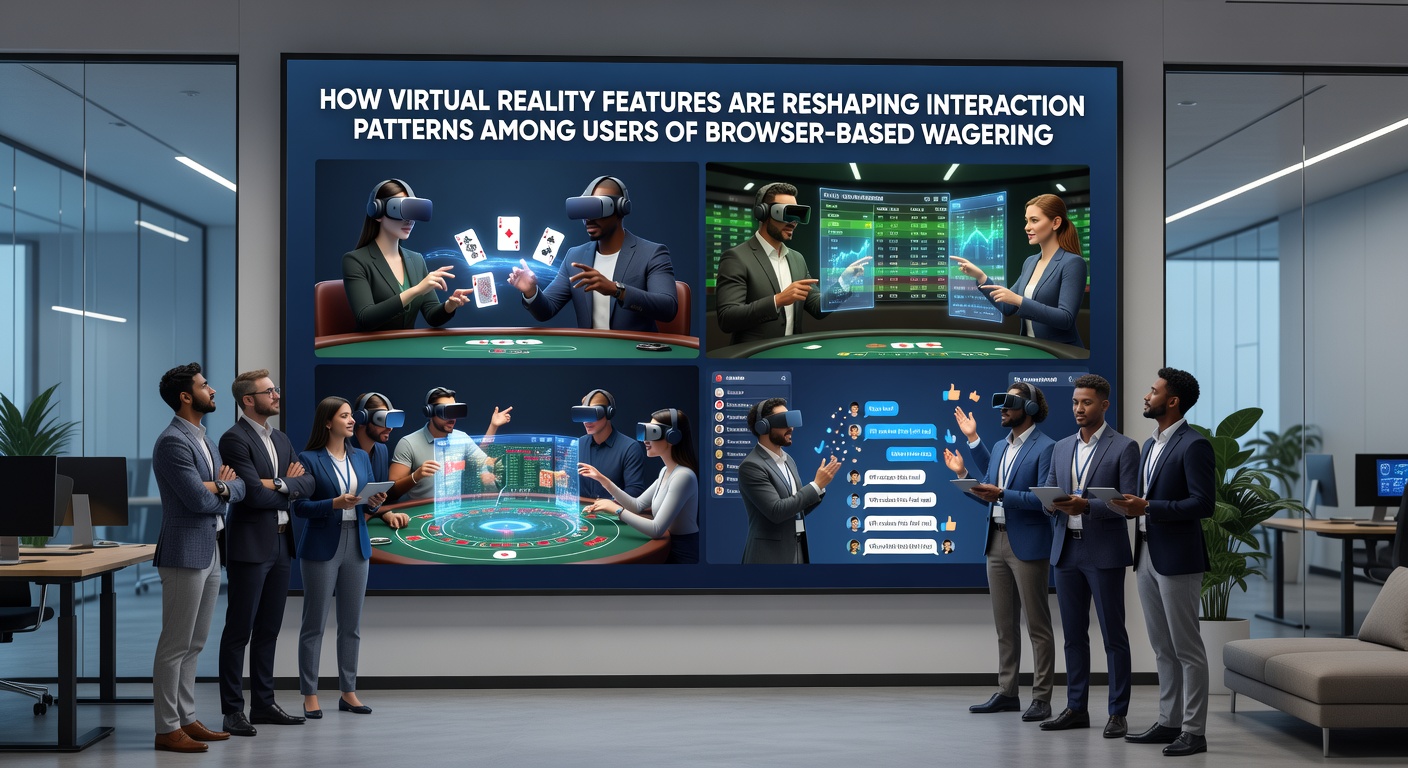
Those who've examined user behavior data find that conversation frequency rises when spatial positioning allows private side discussions or group huddles within the same virtual room, whereas earlier browser platforms confined exchanges to public chat windows or separate forums. What's interesting is how regional differences appear in these patterns, with users in areas served by platforms regulated under frameworks like those from the Nevada Gaming Control Board showing higher rates of avatar customization tied to social signaling compared with other markets.
Changes in Engagement Duration and Participation Styles
Engagement metrics collected by platform analytics teams demonstrate that VR features correlate with extended session lengths because immersive navigation and interactive elements reduce the sense of time passing during individual or group activities, and this effect compounds when users join recurring virtual events scheduled across time zones. Figures from trade associations indicate average dwell times in VR sections exceed those in standard browser modes by measurable margins, particularly during live sports wagering where participants move between virtual viewing areas and betting interfaces.
People often discover new participation styles such as collaborative strategy discussions conducted through proximity-based voice channels or competitive avatar tournaments that unfold alongside core wagering mechanics, yet these additions maintain the same underlying transaction security protocols required by regulatory standards. Data shows that repeat visits increase among users who experience these enriched social layers, suggesting the browser VR layer influences loyalty metrics without altering core game mathematics or payout structures.
Regulatory and Accessibility Considerations
Regulatory bodies across multiple jurisdictions have begun addressing VR-specific guidelines for browser wagering, including requirements for age verification within immersive spaces and clear separation between entertainment features and financial transactions, while organizations such as the European Gaming and Betting Association have published position papers outlining best practices for cross-border accessibility. These frameworks ensure that browser-based VR maintains compliance with existing consumer protection rules even as interaction patterns grow more complex through avatar-mediated exchanges.
Accessibility improvements continue as browser developers refine support for assistive technologies that translate spatial cues into audio descriptions or simplified interfaces, allowing broader user groups to participate in the same virtual environments without specialized hardware beyond a compatible headset or even none at all. Reports compiled through 2026 highlight ongoing pilots where voice-command navigation supplements gesture controls, which expands reach to users with mobility considerations while preserving the communal aspects that define the VR experience.
Conclusion
Browser-based wagering platforms continue integrating virtual reality capabilities that modify how users perceive and respond to one another during sessions, supported by advancing web standards and regulatory oversight that spans multiple regions. Evidence from platform data and research summaries points to sustained growth in these features through the remainder of 2026 and beyond, driven by technical refinements that keep interactions synchronized and secure within standard browser environments.