Deposit Shifts Among Frequent Browser Bettors During Economic Swings
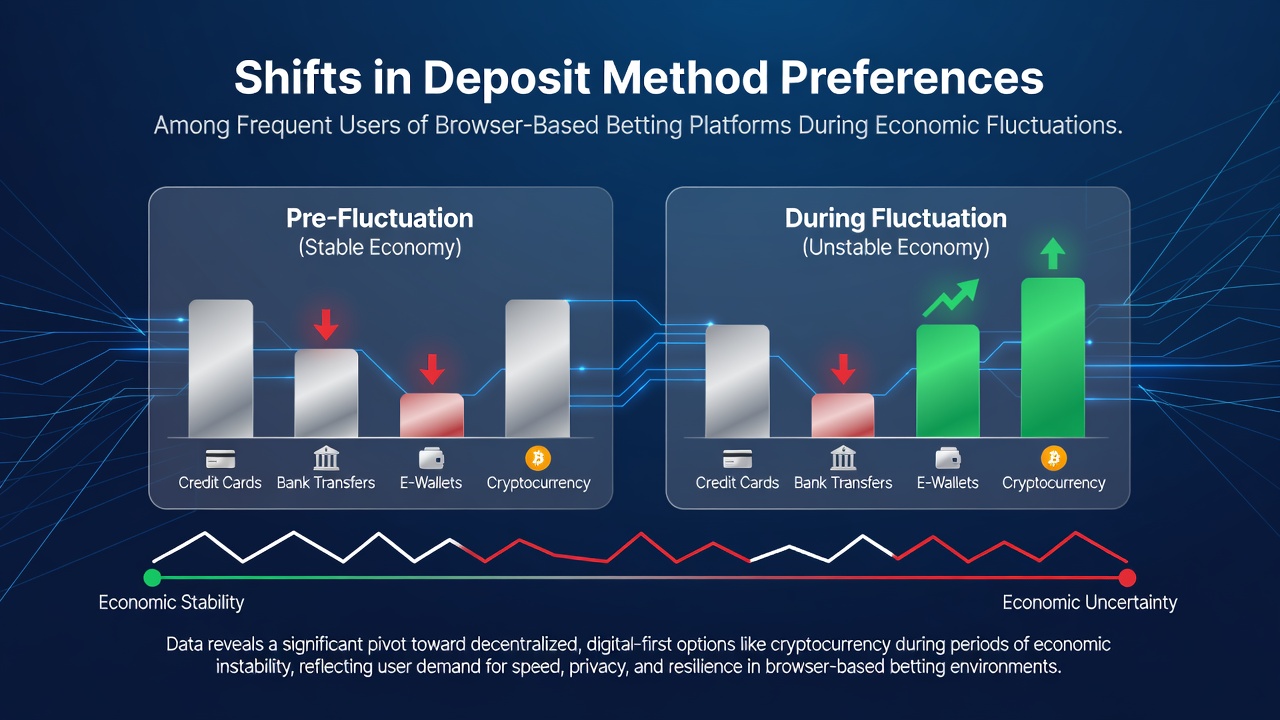
Browser-based betting platforms have recorded measurable changes in how regular users fund their accounts when broader economic conditions tighten or ease, and data from multiple tracking sources shows these patterns emerging across different regions since the early 2020s. Frequent users often adjust away from traditional card-based deposits toward digital wallets and alternative options during periods of rising costs, while the reverse movement appears when stability returns.
Patterns Observed Across Platforms
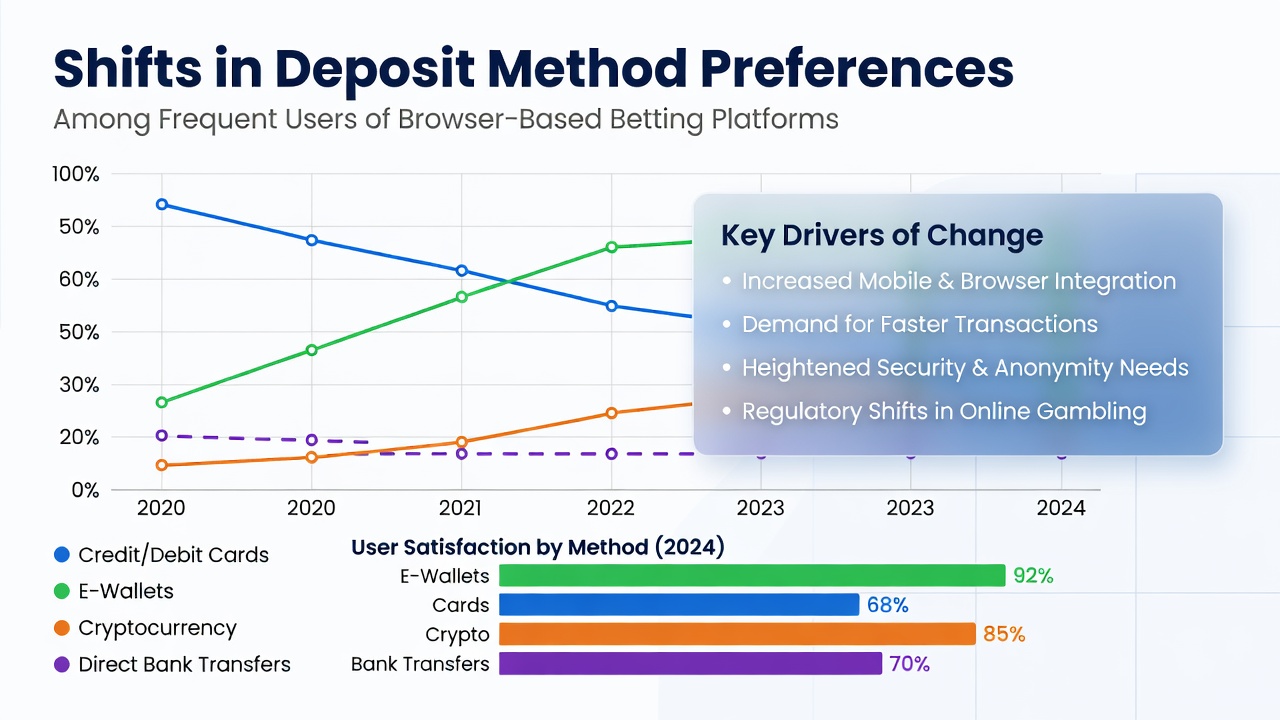
Studies compiled by industry analysts indicate that credit and debit card usage for deposits dropped by roughly 12 percent among high-frequency users between 2022 and 2024, a period marked by inflation spikes in several major economies, and this decline coincided with increased adoption of e-wallets such as PayPal and Skrill. Researchers tracking browser session data noted that users in markets experiencing currency volatility shifted more quickly, often completing transfers through instant wallet options that avoid direct bank linkages during uncertain months.
Yet the same datasets reveal that prepaid voucher methods gained traction in specific locales, with adoption rising 8 percent in parts of Europe and Asia where local banking fees climbed. Observers note that these changes align with broader consumer behavior documented in retail payment reports, where individuals prioritize methods offering lower transaction visibility and faster settlement.
Role of Economic Indicators
Figures released in July 2026 by regional monitoring groups show a fresh uptick in cryptocurrency deposits on browser platforms, reaching nearly 15 percent of total volume among users active more than three times weekly, and this movement followed renewed market swings in energy prices and interest rates. Academic papers from institutions in Australia and Canada have linked such preferences to perceived hedging benefits during inflation, though actual transaction volumes remain modest compared with wallet options.
One analysis from the Canadian Centre for Gaming Research examined deposit logs across multiple sites and found that users reduced average card deposit sizes by 18 percent in quarters with elevated unemployment data, opting instead for smaller, repeated transfers via mobile wallets that allow tighter spending control. These adjustments occurred without corresponding drops in overall platform activity, suggesting users maintained engagement through more granular funding choices.
Regional Variations and Platform Responses
European operators reported stronger growth in instant bank transfer services during the same period, with volumes climbing in Germany and the Netherlands where regulatory frameworks encourage direct account linkages, and this trend contrasted with North American markets that saw steadier use of gift card and voucher systems. Data from the European Gaming and Betting Association highlights how local payment infrastructure influences these choices, with users in countries offering seamless bank APIs showing less migration to third-party wallets.
Platform operators responded by expanding supported methods in July 2026, adding more regional e-wallet integrations and lowering minimum thresholds on certain options to retain frequent users. Reports indicate these adjustments helped stabilize deposit volumes even as average transaction values fluctuated with economic reports.
Broader Industry Context
Longitudinal studies covering browser-based wagering have documented similar deposit method rotations during past downturns, including the 2008-2009 period and the 2020 pandemic onset, and each cycle showed accelerated movement toward digital alternatives that reduce processing delays. Current tracking confirms the pattern persists, with frequent users demonstrating quicker adaptation than occasional participants.
Payment processors supplying these platforms have noted parallel demand for tools that segment funding sources by risk level, allowing users to route deposits through methods with built-in spending caps during volatile months. Such features appear more frequently on sites serving high-activity regions.
Conclusion
Available evidence points to ongoing adaptation in deposit preferences tied directly to economic signals, with wallet and alternative methods gaining ground during fluctuations while card usage contracts and rebounds with stability. Continued monitoring through 2026 and beyond will clarify whether these shifts represent temporary responses or lasting changes in how regular users interact with browser platforms.