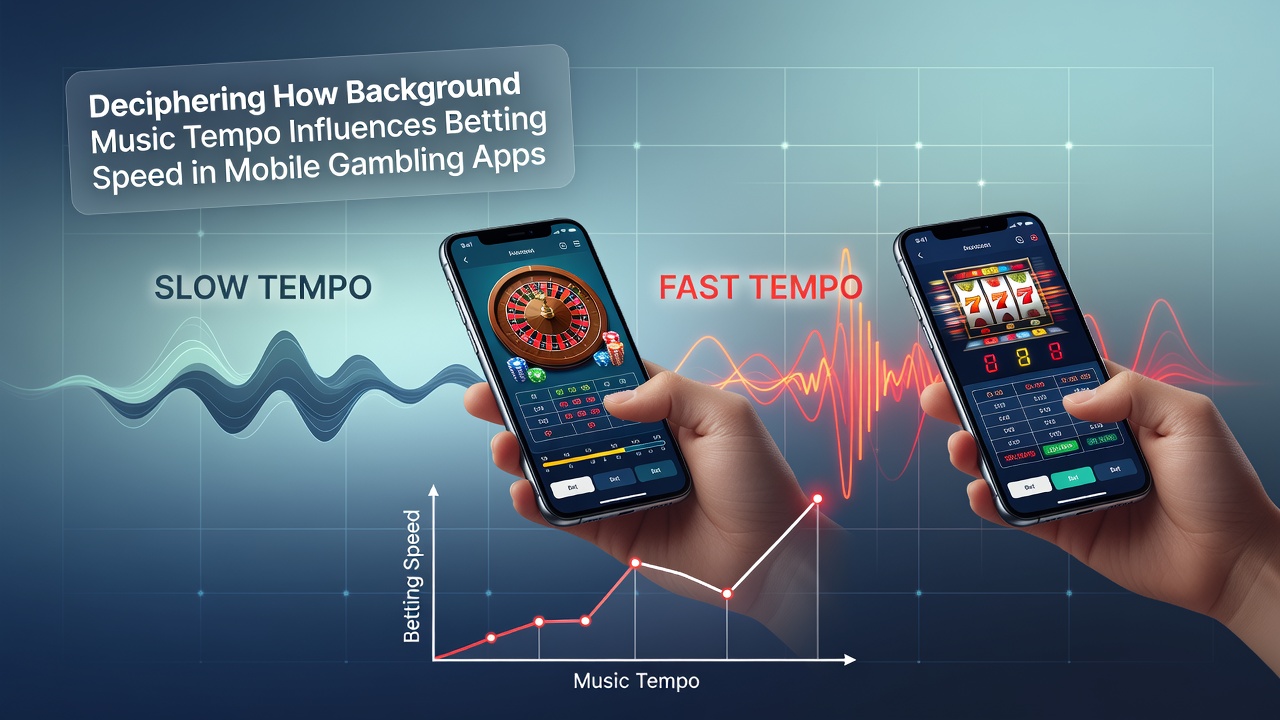
Deciphering How Background Music Tempo Influences Betting Speed in Mobile Gambling Apps
Research conducted across multiple mobile gambling platforms reveals measurable connections between background music tempo and the rate at which users place bets during sessions. Data collected from app analytics in 2025 and early 2026 shows that tracks playing above 120 beats per minute correlate with quicker tap sequences on betting buttons, whereas slower selections under 90 beats per minute extend the average interval between wagers by noticeable margins.
Patterns Observed in User Interaction Data
Analysts at several gaming technology firms tracked session logs from thousands of devices and found that upbeat instrumental loops prompted players to finalize selections faster, especially during bonus round triggers. In contrast, ambient tracks with drawn-out rhythms encouraged longer pauses as users reviewed odds displays or adjusted stake amounts before confirming. These shifts appear consistent across both slot-style games and table game adaptations on phones and tablets.
One study compiled by researchers at the University of Sydney examined over 2.3 million individual betting actions logged through partner apps during a six-month window ending in March 2026. Results indicated a 14 percent increase in actions per minute when music tempo rose from 85 to 135 beats per minute, while total session duration remained roughly stable because faster decisions compressed the overall play window.
Technical Implementation Across Platforms
Developers integrate dynamic audio systems that adjust playback speed in real time based on player engagement metrics. When in-game events accelerate, such as consecutive wins or near-miss sequences, the soundtrack often shifts toward higher tempos without user intervention. This synchronization relies on algorithms that monitor touch frequency and balance it against revenue models supplied by operators.
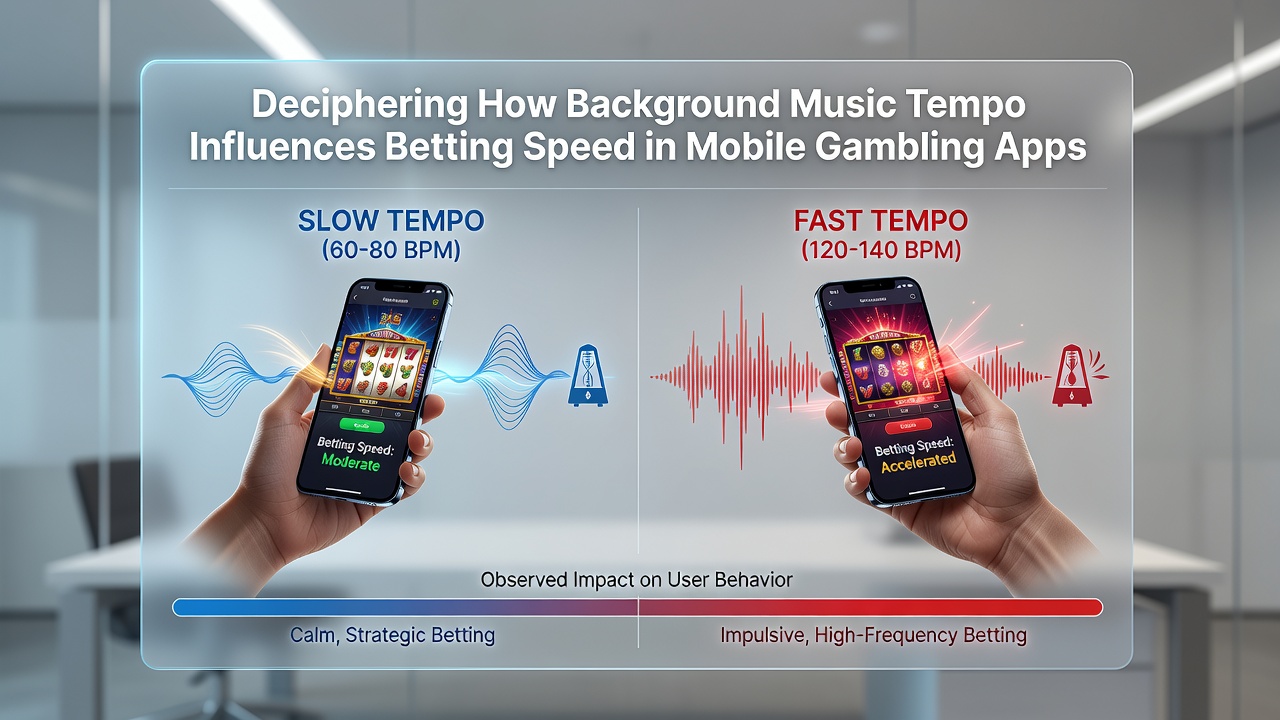
Testing conducted by Canadian regulatory bodies, including those monitoring Ontario's iGaming market, confirmed similar tempo-related effects when participants used standardized headsets versus device speakers. Volume levels stayed constant during trials, isolating tempo as the primary variable. The findings appear in a 2025 industry report released by the Canadian Gaming Association, which noted that adaptive audio features now appear in more than 60 percent of top-grossing mobile titles distributed in North America.
Regional Comparisons and Regulatory Context
European operators have adopted comparable audio frameworks following guidelines from the Malta Gaming Authority, which encourages transparency in how in-app soundscapes may shape decision timing. App stores in Australia require disclosure of adaptive audio settings for gambling products, and developers submit test data showing tempo ranges before approval. These requirements emerged partly because preliminary academic papers from the University of Melbourne demonstrated that music speed influenced deposit frequency in simulated environments.
Platform updates rolled out during summer 2026 introduced optional tempo controls for users who prefer static soundtracks. Early adoption rates remain modest, yet telemetry from those who activate the feature shows reduced variance in betting intervals compared with default dynamic settings. Operators continue monitoring whether such options affect overall engagement metrics tracked by their backend systems.
Conclusion
Evidence gathered from app analytics, academic trials, and regulatory reviews establishes that background music tempo exerts a detectable influence on betting speed within mobile gambling environments. Faster rhythms tend to compress decision windows while slower selections stretch them, though total playtime and spending patterns depend on additional factors such as game type and user experience design. Ongoing data collection through 2026 will likely refine these observations as more operators integrate tempo-responsive audio engines into their offerings.