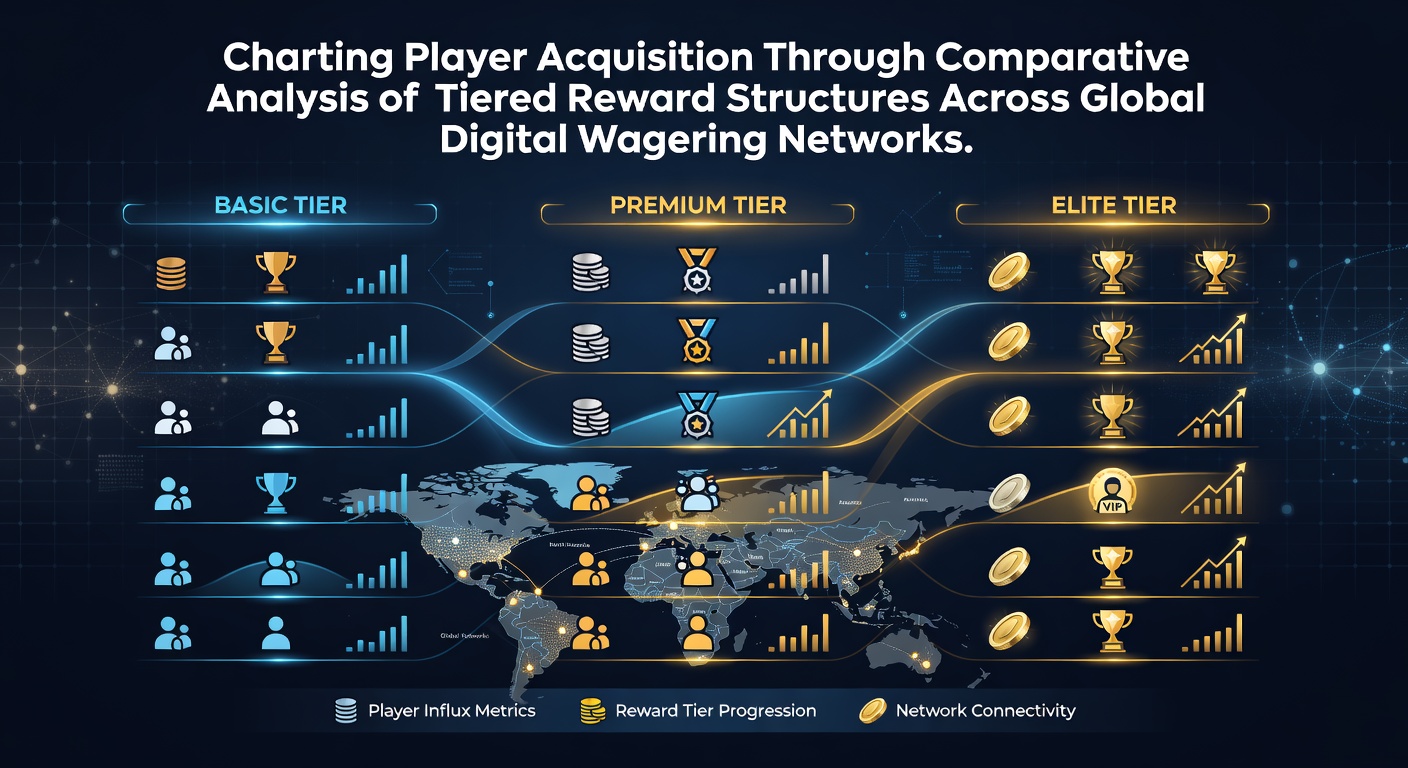
Charting Player Acquisition Through Comparative Analysis of Tiered Reward Structures Across Global Digital Wagering Networks
Digital wagering platforms across multiple continents rely on tiered reward structures to draw in new users and maintain engagement over extended periods, and data compiled through May 2026 reveals distinct regional patterns in how these systems operate. Operators segment players into progressive levels based on deposit volume, betting frequency, and total wagered amounts, then deliver escalating benefits such as cashback percentages, exclusive event access, and personalized account management. Researchers tracking acquisition metrics note that platforms with clearly defined tier ladders convert initial deposits into recurring activity at higher rates than those offering flat-rate promotions.
Regional Variations in Tier Design
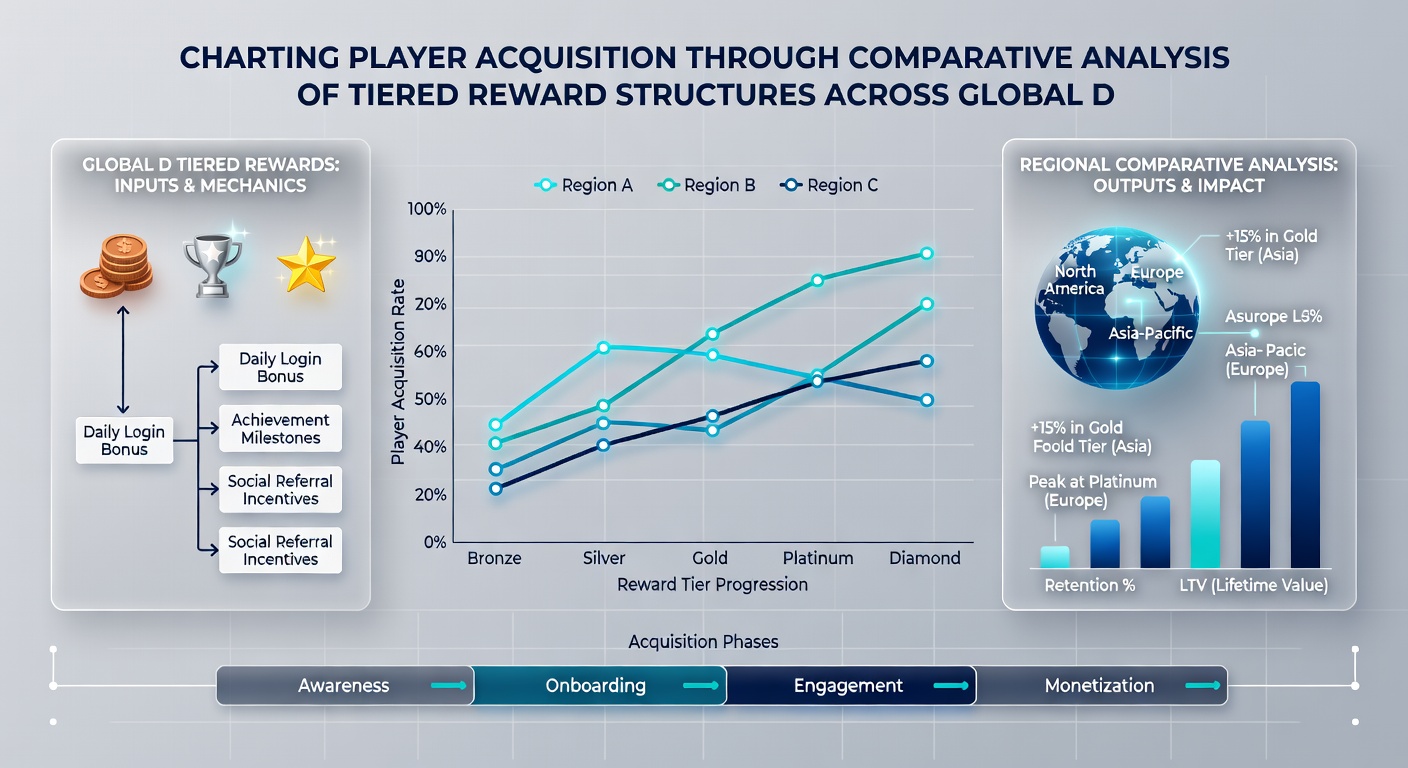
North American operators typically emphasize rapid tier advancement through short-term challenges, while European networks favor longer qualification windows tied to annual activity totals. In Asia-Pacific markets, reward tiers often incorporate social elements such as referral bonuses and group challenges that scale with collective player performance. According to industry reports from the European Gaming and Betting Association, these structural differences produce measurable gaps in first-year retention when cross-border player cohorts are compared side by side.
One analysis of platform data released in early 2026 showed that Canadian operators using three-tier systems achieved average acquisition costs 18 percent lower than peers relying on two-tier models. Australian operators, by contrast, integrate loyalty tiers with state-mandated responsible gambling tools, creating hybrid structures where higher tiers unlock both rewards and enhanced self-exclusion options. Those who've examined the datasets observe that this dual-purpose design correlates with sustained deposit activity among players who reach mid-tier status within the first 90 days.
Comparative Metrics on Acquisition Efficiency
Acquisition efficiency varies sharply once reward structures move beyond entry-level tiers. Platforms that front-load benefits in the first tier capture more sign-ups, yet those that reserve premium perks for upper tiers demonstrate stronger lifetime value per acquired user. Figures released by the Nevada Gaming Control Board through April 2026 indicate that digital sportsbooks operating multi-tier loyalty programs recorded 27 percent higher monthly active user growth compared with single-tier competitors during the preceding quarter.
What's interesting is how currency and regulatory environments shape these outcomes. Platforms licensed in Malta and serving multiple EU jurisdictions adjust tier thresholds seasonally to account for fluctuating player purchasing power, whereas operators in regulated U.S. states maintain fixed thresholds that align with local tax reporting cycles. Researchers who compared anonymized transaction logs across these jurisdictions found that flexible threshold models reduce early-stage churn by aligning reward timing with peak betting periods such as major sporting events.
Integration of Data Analytics and Personalization
Advanced analytics now underpin tier progression across most major networks, allowing operators to predict when a player is likely to qualify for the next level and trigger targeted communications. Canadian provincial operators have adopted machine-learning models that adjust bonus multipliers in real time based on individual risk profiles, while several Asian platforms incorporate live tournament leaderboards that accelerate tier movement for top performers. Evidence from academic studies published in 2025 suggests these predictive adjustments improve conversion from free-to-paid users by double-digit margins when implemented consistently.
Yet the same datasets reveal limitations. Players who perceive tier requirements as overly opaque show elevated rates of account dormancy after the initial deposit. Operators addressing this issue through transparent progress trackers and milestone previews report steadier month-over-month acquisition curves. One study revealed that platforms publishing exact point requirements and projected reward values experienced fewer support tickets related to loyalty program confusion.
Cross-Border Player Behavior Patterns
Players who engage with multiple networks simultaneously often migrate toward platforms offering the fastest path to meaningful rewards, regardless of geographic origin. Comparative tracking conducted through May 2026 demonstrates that users crossing between North American and European platforms respond most strongly to cashback tiers that activate within 30 days of first deposit. In contrast, long-term users in mature markets such as Australia prioritize access to exclusive live events and concierge services available only at the uppermost tiers.
Industry organizations tracking these migration patterns note that successful acquisition strategies frequently combine entry-level instant rewards with visible pathways to higher-value benefits. This layered approach reduces the likelihood that new users will treat the platform as a one-time transaction vehicle and instead encourages progression through successive tiers.
Conclusion
Tiered reward structures continue to serve as primary levers for player acquisition across global digital wagering networks, with effectiveness determined by alignment between regional regulations, player expectations, and data-driven personalization. Platforms that calibrate tier thresholds and benefit delivery to local market conditions record stronger conversion and retention outcomes, while those applying uniform global models encounter higher variability in performance. Continued monitoring of transaction and engagement data through 2026 will clarify which structural adaptations produce the most durable acquisition advantages.