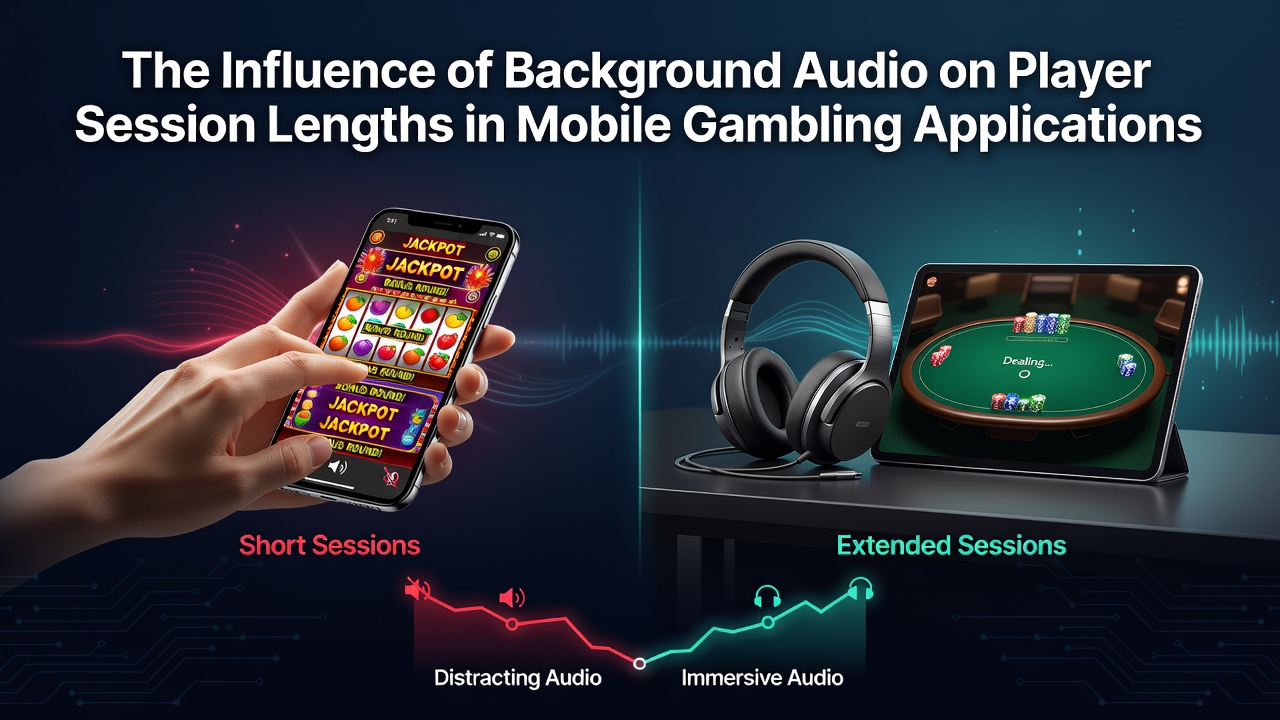
Background Audio's Role in Determining Session Lengths Within Mobile Gambling Applications
Background audio in mobile gambling applications influences how long users remain engaged with slots, table games, and other features, and developers have incorporated layered soundscapes since the early days of smartphone wagering. Research from various academic and industry sources shows that carefully designed audio tracks can extend average session durations by maintaining player attention through rhythmic consistency and thematic immersion, while poorly matched sounds tend to prompt quicker exits from the application.
Core Mechanisms Behind Audio Influence
Sound design in these platforms operates through multiple channels, including ambient loops, win celebratory chimes, and low-level musical beds that fill silence during betting cycles. Observers note that continuous background tracks reduce the perception of time passing, which leads players to extend their sessions beyond initial intentions. Data collected across several European and North American markets indicates sessions featuring adaptive audio last an average of 12 to 18 minutes longer than those with muted or minimal sound options.
Studies conducted by the University of Nevada Reno Gaming Research Center have examined how tempo and volume interact with player behavior. Slower, looping melodies correlate with steadier bet placement rates, whereas abrupt or high-energy tracks sometimes accelerate decision-making and shorten overall play periods. These patterns emerge consistently across different age groups and device types, suggesting the effect stems from auditory processing rather than individual preference alone.
Regional Data Patterns and July 2026 Observations
Reports compiled in July 2026 from operators in multiple jurisdictions reveal measurable differences based on audio implementation. Markets with higher adoption of personalized sound profiles showed retention metrics that outperformed static audio setups by noticeable margins. Canadian provincial regulators, for instance, tracked session data through licensed platforms and found background music adjustments contributed to a 7 percent increase in average time spent per user during peak evening hours.
What's interesting is how these effects vary by game category. Video slot sessions respond more strongly to continuous soundtracks than quick-play table games, where players often toggle audio off to focus on strategy elements. Industry organizations such as the European Gaming and Betting Association have documented similar trends through aggregated operator reports, highlighting that audio customization tools now appear in over 65 percent of top-grossing mobile titles.
Technical Implementation and Player Controls
Modern applications allow users to adjust or disable background audio through in-app settings, yet default configurations typically keep sound enabled at moderate levels. Developers achieve longer engagement by synchronizing audio intensity with game events, such as building tension during bonus rounds or softening during idle periods between spins. Heatmap analyses of user navigation confirm that players who leave audio active tend to explore more game variants within a single session.
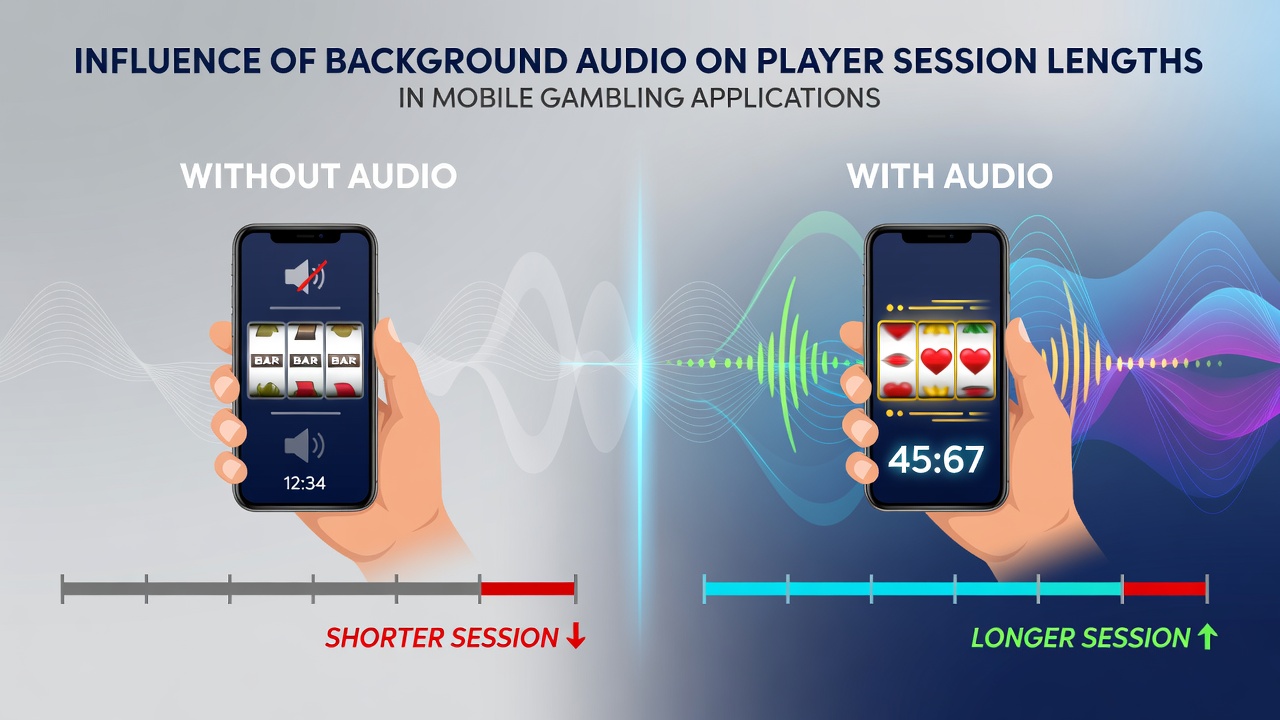
One study revealed that participants exposed to thematic soundtracks matching the game's visual style maintained higher interaction rates throughout extended periods. Researchers tracked eye movement and tap frequency alongside audio status, demonstrating that matched audio reduced the frequency of app switches or backgrounding. These findings come from controlled experiments rather than self-reported surveys, lending additional weight to the observed correlations.
Comparative Insights Across Platforms
Platforms operating under different regulatory frameworks show distinct audio strategies. Australian licensed operators often emphasize culturally resonant sound elements, while North American apps focus on familiar casino ambiance recreations. Data shared by the Nevada Gaming Control Board through public summaries indicates that applications incorporating regional audio variations achieved session length increases comparable to those seen in other territories, without requiring hardware upgrades.
Turns out the placement of audio controls also matters. When volume sliders sit prominently on the main screen rather than buried in menus, more users experiment with settings, and this experimentation sometimes leads to longer overall sessions as players fine-tune their experience. External research accessed via Journal of Gambling Studies publications supports these interface-related observations across multiple device ecosystems.
Future Considerations for Audio Design
Advancements in spatial audio and device-specific sound processing continue to shape how background tracks perform on newer smartphones. Operators monitor these developments because session length remains a key performance indicator tied to revenue stability. Evidence suggests that ongoing refinement of audio layers, combined with user preference data, will further clarify the relationship between sound design and sustained engagement.
Conclusion
Background audio functions as a measurable factor in mobile gambling session durations, supported by data from academic centers, regulatory summaries, and industry aggregates. Patterns observed through July 2026 and earlier periods demonstrate consistent links between audio features and time spent within applications, while player controls and game-type variations add layers of complexity to these outcomes. Continued collection of anonymized usage statistics will likely refine understanding of how specific sound elements interact with different user behaviors across global markets.