Algorithmic Personalization and Retention Patterns in Global Online Betting Environments
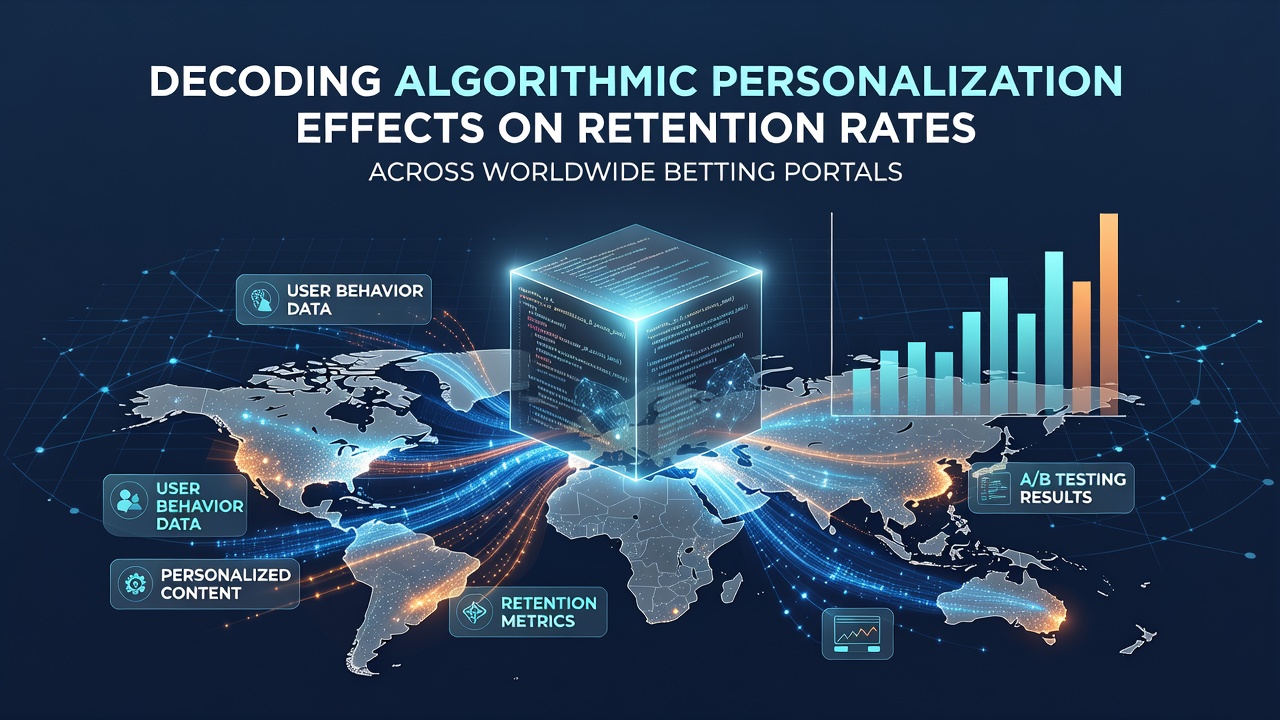
Algorithmic personalization has become a core mechanism in worldwide betting portals, where machine learning models analyze user behavior to deliver tailored promotions, game suggestions, and interface adjustments that aim to extend session lengths and encourage repeat visits. Data from industry reports indicates these systems process variables such as deposit frequency, game preferences, and navigation paths to generate real-time adjustments, and studies show retention rates often rise when recommendations align closely with individual patterns.
Observers note that in markets across Europe, Asia, and North America, operators deploy collaborative filtering techniques alongside reinforcement learning to predict which offers will prompt continued engagement. Figures from regulatory filings reveal that platforms using advanced segmentation report average retention improvements of 15 to 25 percent over non-personalized baselines, though results vary by region and regulatory constraints.
Core Components Driving Personalization Systems
Betting portals integrate multiple data streams including real-time betting history, device type, time-of-day activity, and even weather correlations in certain jurisdictions to refine user profiles. Researchers at academic institutions have documented how these inputs feed into recommendation engines that prioritize high-engagement content, and one analysis of platform logs found that users receiving customized bonus structures logged in 40 percent more frequently than control groups during comparable periods.
What's interesting is the role of A/B testing frameworks that allow operators to measure incremental retention lifts from specific algorithmic tweaks, and evidence from Canadian regulatory submissions shows operators adjusting loyalty tiers dynamically based on predicted churn risk scores. Such systems often incorporate feedback loops where post-offer behavior updates the model within minutes, creating continuous optimization cycles.
Regional Variations in Implementation and Outcomes
European operators subject to data protection rules tend to limit personalization depth compared with platforms in less restrictive markets, yet retention data collected through industry associations indicates measurable gains persist across both environments. In Australia, where the Australian Communications and Media Authority oversees aspects of digital wagering, operators have reported that geo-specific personalization tied to local events correlates with higher month-over-month retention through June 2026 tracking periods.
Asian markets present different patterns, with mobile-first platforms leveraging push notification timing and content localization to sustain user interest, and comparative studies highlight that retention curves flatten less sharply when algorithms account for cultural preferences in game selection. North American data similarly points to personalization effectiveness when integrated with responsible gaming tools that flag potential over-engagement without disrupting the tailored experience.
Measuring Retention Through Algorithmic Lenses
Retention metrics in this sector typically track metrics such as day-7 return rates, average sessions per user, and lifetime value projections, all of which algorithmic systems seek to optimize. A report compiled by the Canadian Centre for Gaming Research links higher personalization granularity to improved performance on these indicators, particularly when models incorporate both short-term triggers and longer-term behavioral trends.
Platforms that refresh recommendation sets daily demonstrate stronger retention curves than those updating weekly, according to aggregated telemetry shared at international gaming conferences. Those who've examined large datasets observe that personalization can reduce early-stage drop-off by surfacing familiar games quickly, while also introducing controlled novelty to prevent fatigue.

Challenges and Data-Driven Adjustments
Despite documented benefits, algorithmic personalization faces hurdles around data accuracy and regulatory compliance that operators address through iterative model refinement. Industry analyses show that platforms incorporating multi-jurisdictional compliance layers maintain retention advantages while avoiding penalties, and one case involving a multi-continent operator illustrated how unified data architectures support consistent personalization without breaching local rules.
External events such as sporting calendars or economic shifts also influence how algorithms perform, prompting operators to layer contextual signals into their models. Data indicates that during peak events in June 2026, personalized campaigns timed to match user availability produced measurable upticks in return visits compared with generic outreach.
Future Trajectories Based on Current Evidence
Emerging techniques such as federated learning allow platforms to improve personalization while keeping sensitive data localized, and early adopters report stable or improved retention metrics without expanded data collection footprints. Research institutions continue to track these developments through longitudinal studies that compare personalized versus standard experiences across diverse user cohorts.
Conclusion
Worldwide betting portals continue to refine algorithmic personalization as a primary lever for sustaining user engagement, with available evidence demonstrating consistent associations between tailored experiences and higher retention rates across multiple regions. Operators that integrate robust measurement frameworks alongside compliance safeguards position themselves to capture these gains while operating within evolving regulatory landscapes, and ongoing data collection through 2026 will likely clarify optimal configurations for different market conditions.